


Newcastle Hair Transplant Clinic
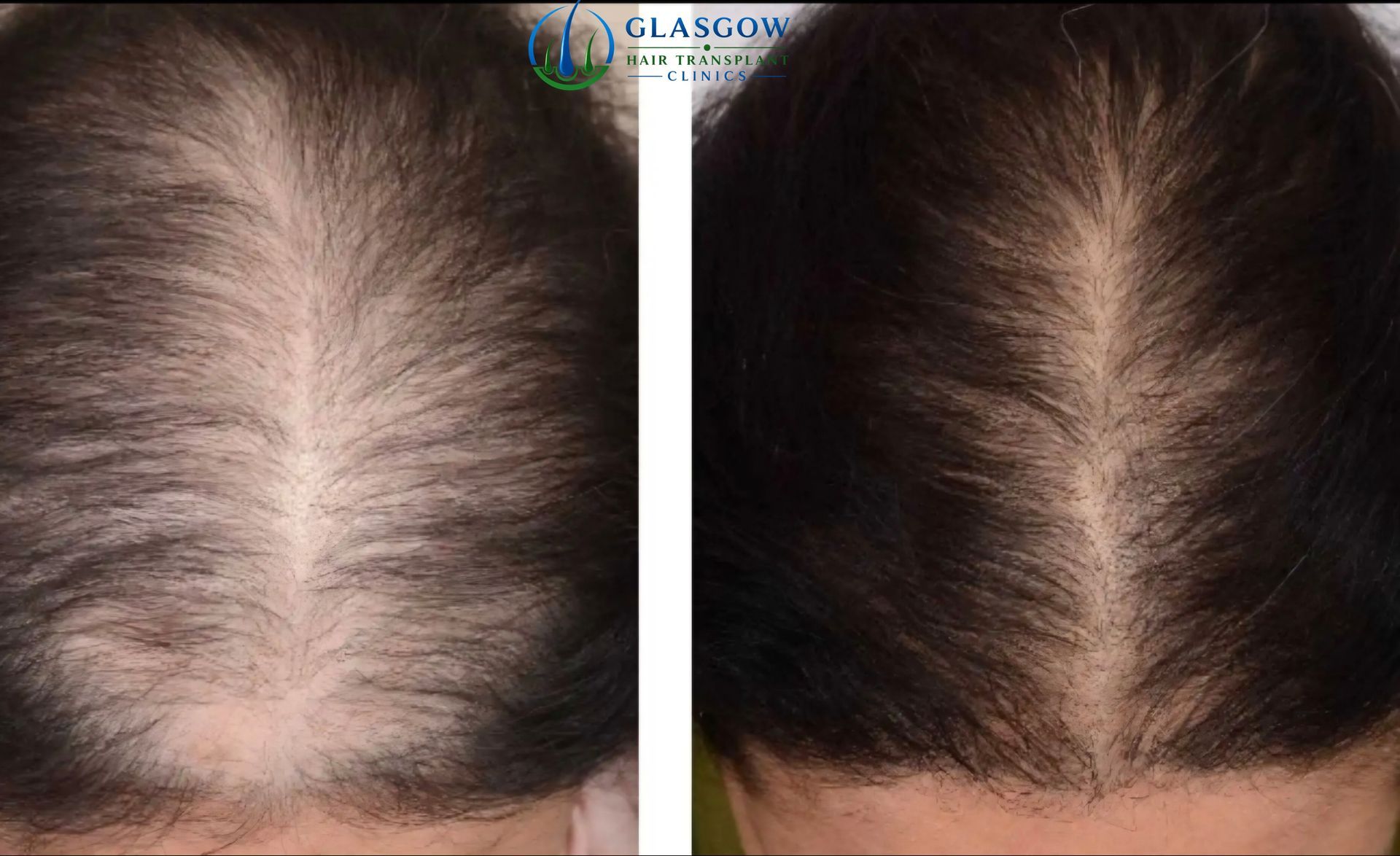
Before | After
Before and after photographs
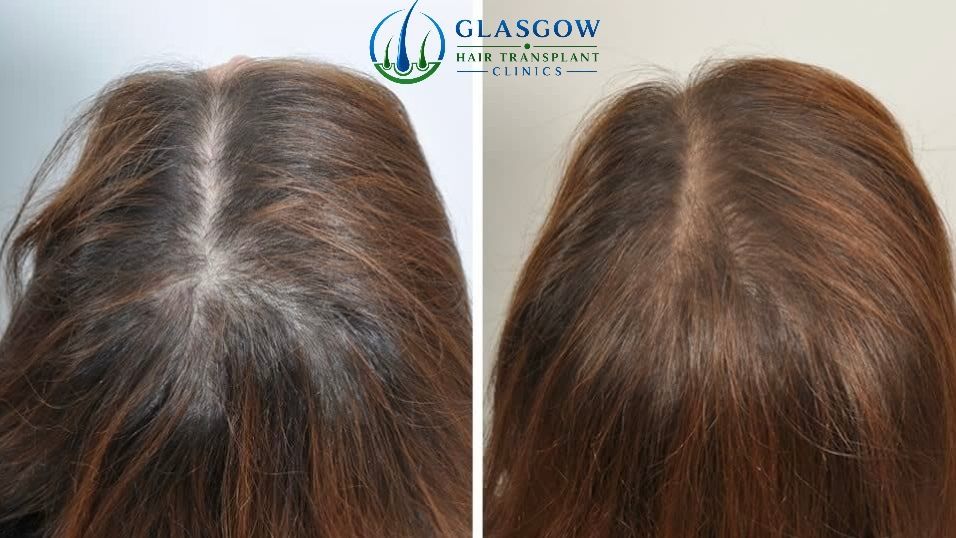

PRP uses plasma prepared from a sample of your own blood and injected into the scalp. It is offered for some types of hair thinning, but the response is uncertain and improvement is not guaranteed.
A scalp assessment is needed to establish the cause of hair loss before deciding whether PRP is appropriate.
Book a Free Consultation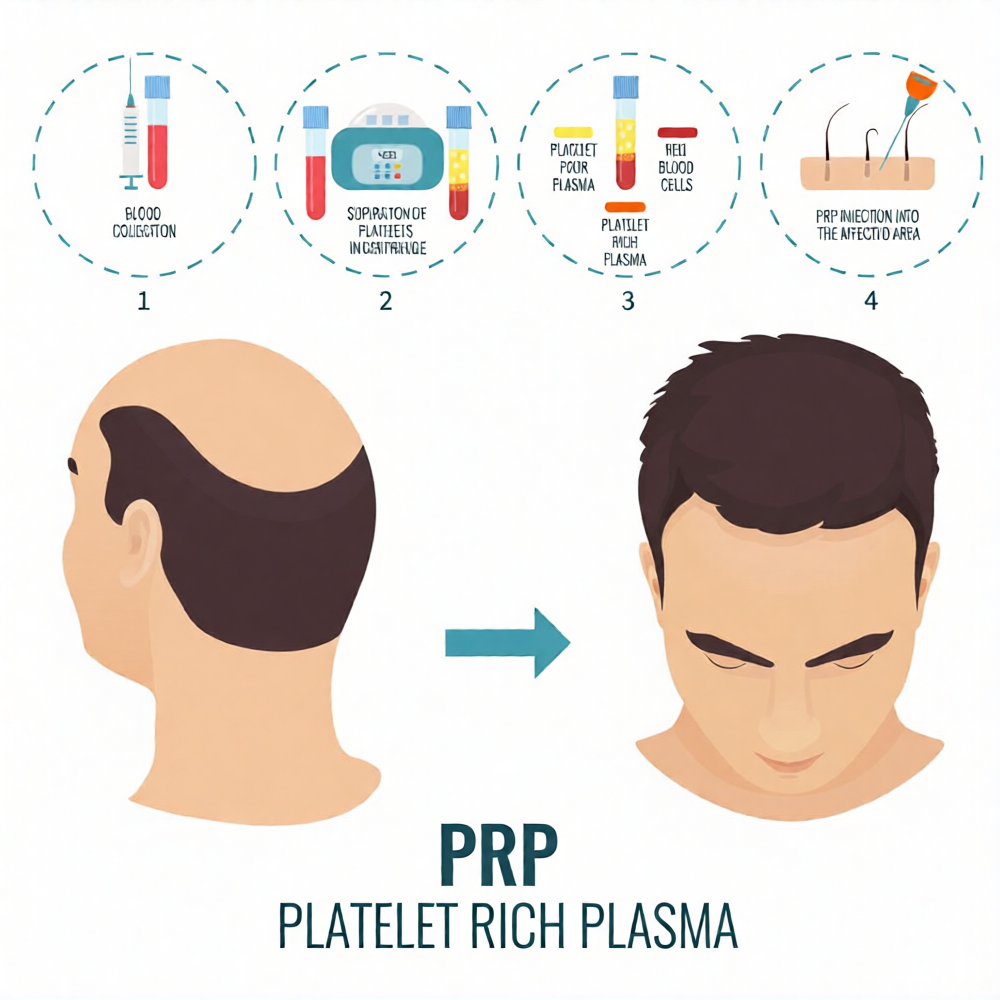
Platelet-rich plasma therapy uses the healing and growth factors already present in your blood. A small blood sample is processed in a centrifuge, creating a concentrated plasma preparation that is injected through the areas affected by thinning.
PRP is used for pattern hair loss where hair is becoming thinner. It does not replace a diagnosis or restore an unlimited supply of hair.
The treatment uses scalp injections rather than donor-hair removal or stitches.
Its role alongside other treatment should be discussed individually.
Before and after photographs
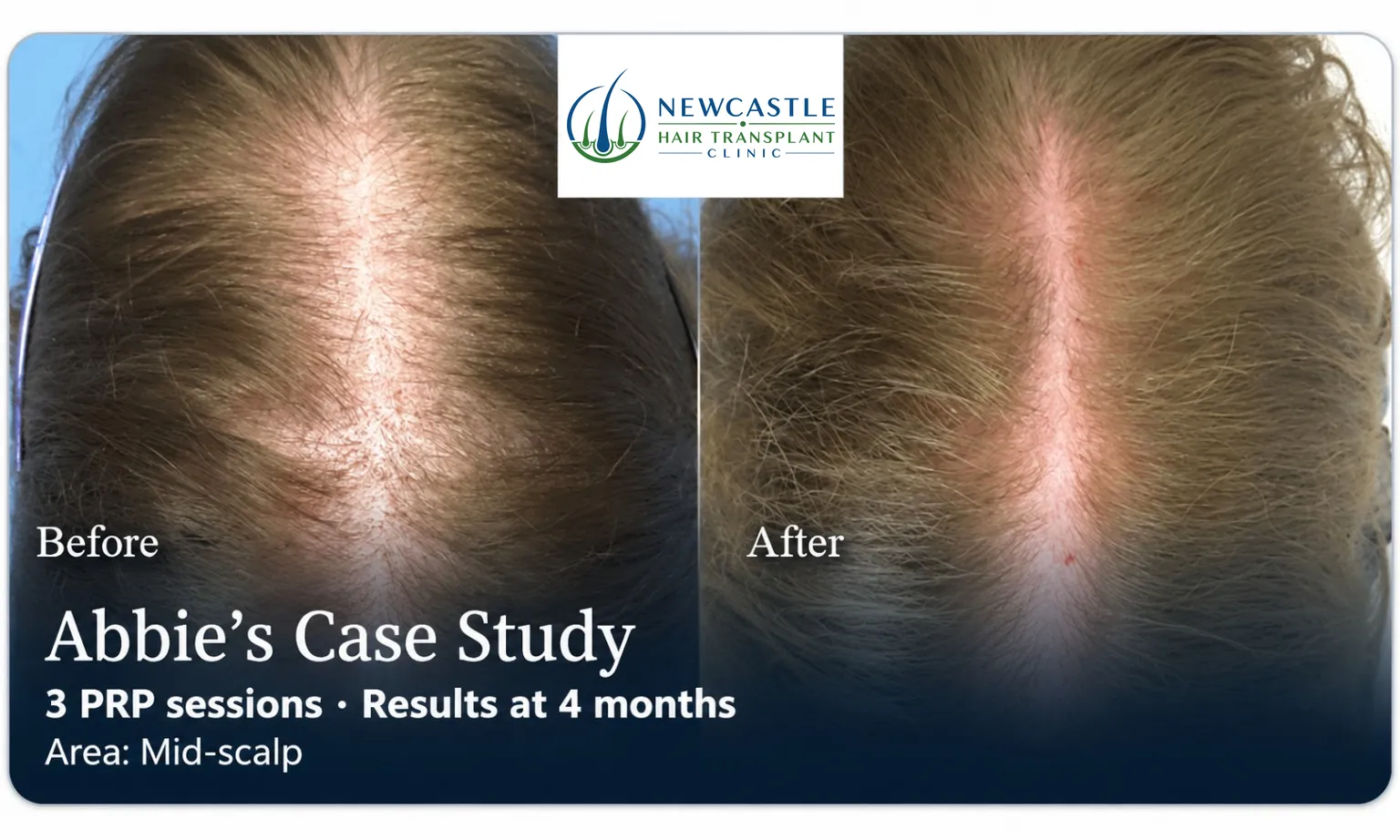
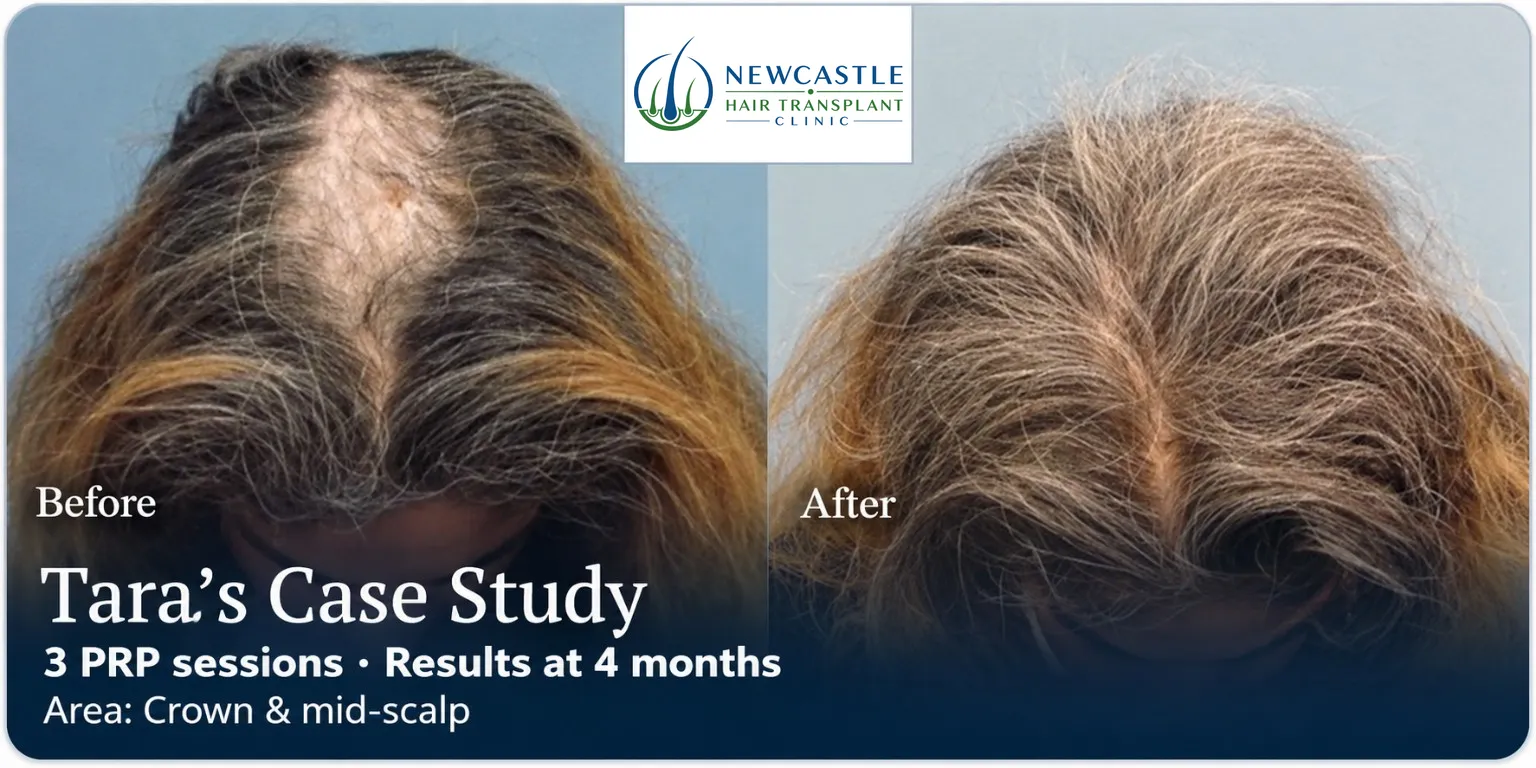
A small blood sample is taken from your arm and placed into a centrifuge. The spinning process separates the platelet-rich plasma from the red blood cells, leaving a concentrated preparation ready for treatment.
Preparation methods differ between clinics. A higher platelet concentration alone does not establish that a treatment will produce a better result.
The prepared plasma is injected into the area being treated. The clinician should explain the procedure, risks and aftercare before treatment.
PRP may be discussed when there is pattern thinning. Sudden, patchy or inflamed hair loss needs an assessment for other causes before treatment is chosen.
PRP does not transplant new follicles into a bald area. Surgery and medication have different purposes and their own suitability requirements.
Before and after photographs
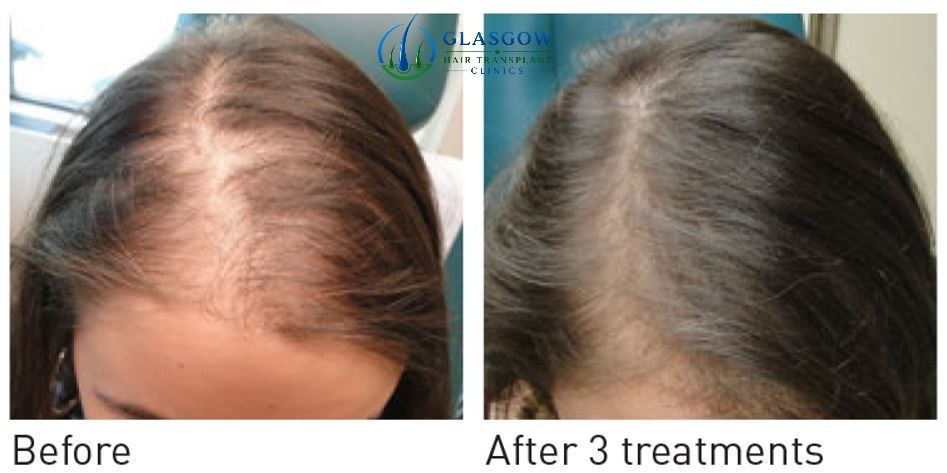
Your appointment begins with a review of the areas being treated and progress photographs where required. A small blood sample is then taken from the arm and immediately processed inside the clinic.
Blood preparation: the sample is placed into the centrifuge, separating and concentrating the platelet-rich plasma. The prepared PRP is collected into sterile syringes for treatment.
Scalp treatment: the prepared plasma is injected into the agreed areas.
After treatment: the clinician checks the scalp and provides aftercare instructions. Ask how long to allow for the appointment and when to seek help.
The number and spacing of appointments should be agreed after assessment. There is no single course that guarantees a response for every patient.
Progress photographs taken in consistent lighting can help assess change over time.
Review the response and cost before committing to further treatment.
The advertised package covers three appointments with blood collection, plasma preparation and scalp injections.
Confirm the written treatment plan, what is included and the cost of any further appointments before booking.
Book a PRP ConsultationBefore and after photographs
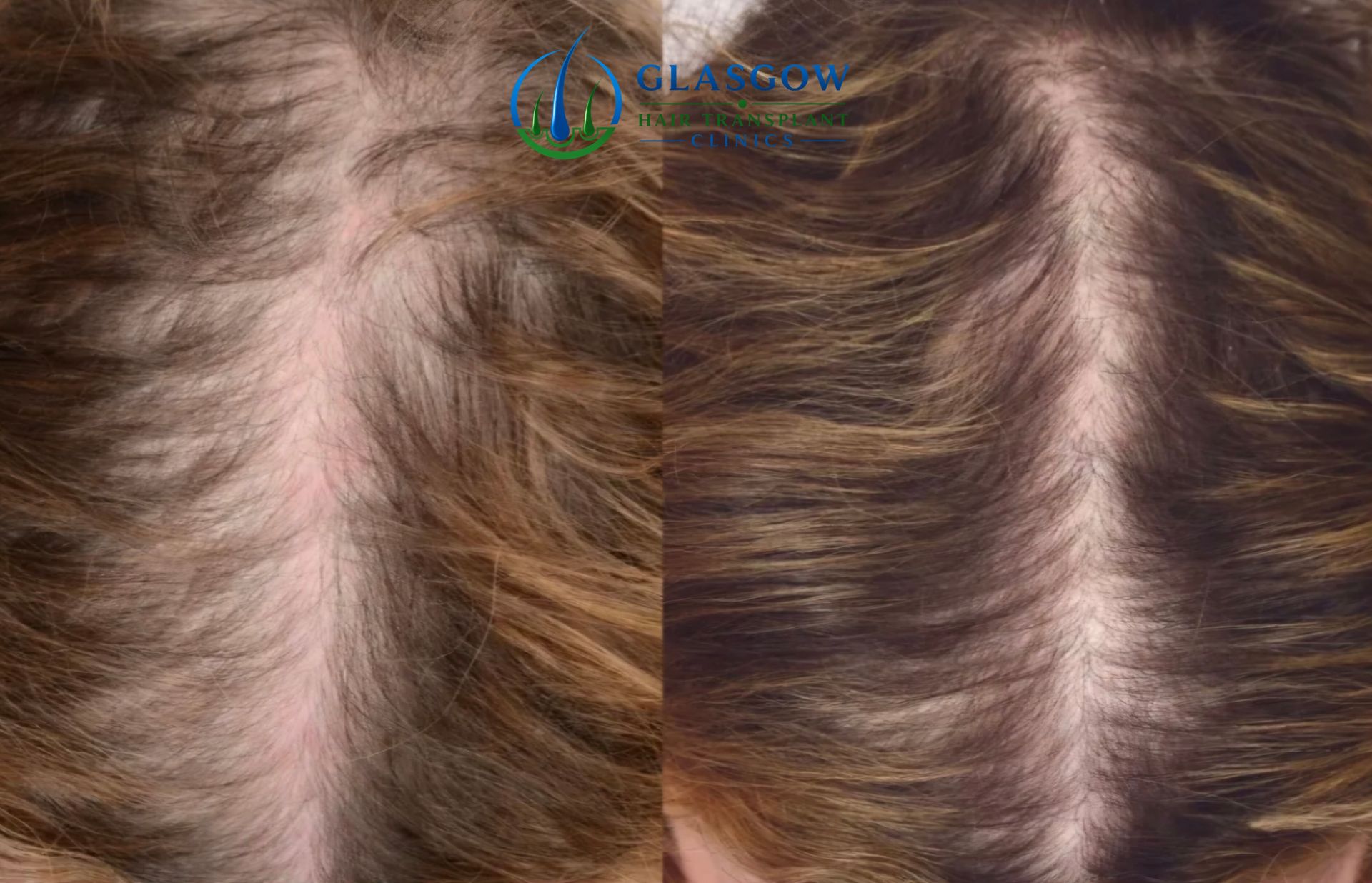
The British Association of Dermatologists describes the research supporting PRP for male pattern hair loss as limited. Some studies suggest benefit, but results are unpredictable and more research is needed.
British Association of Dermatologists: male pattern hair loss
Follow the aftercare instructions supplied by the treating clinician.
Discuss possible pain, redness, swelling, bruising and infection before treatment. Ask who to contact if symptoms are worsening or you feel unwell.
Check when you can wash your hair, exercise and use your usual scalp products.
PRP, medication and surgery are separate treatments. Adding PRP does not guarantee a better transplant result or prevent future hair loss.
Discuss any proposed combination with the clinician responsible for your care. Hair-loss medication information.
Before and after photographs
Ask what diagnosis is being treated, what benefit is realistic, how progress will be measured and what happens if there is no improvement.
Dr Harpreet Kalra is registered with the General Medical Council under GMC number 7126076. He assesses hair loss and discusses treatment at Newcastle Hair Transplant Clinic.
The consultation covers your pattern of thinning, scalp health, medical history and current treatment.
Book a Free Consultation
PRP is plasma prepared from a blood sample and injected into the scalp. Evidence for improvement in pattern hair loss is limited and the response varies.
The course should be agreed after assessment. Review progress before paying for additional appointments.
There is no guaranteed response or reliable result date for an individual patient. Consistent photographs can help the clinician assess change.
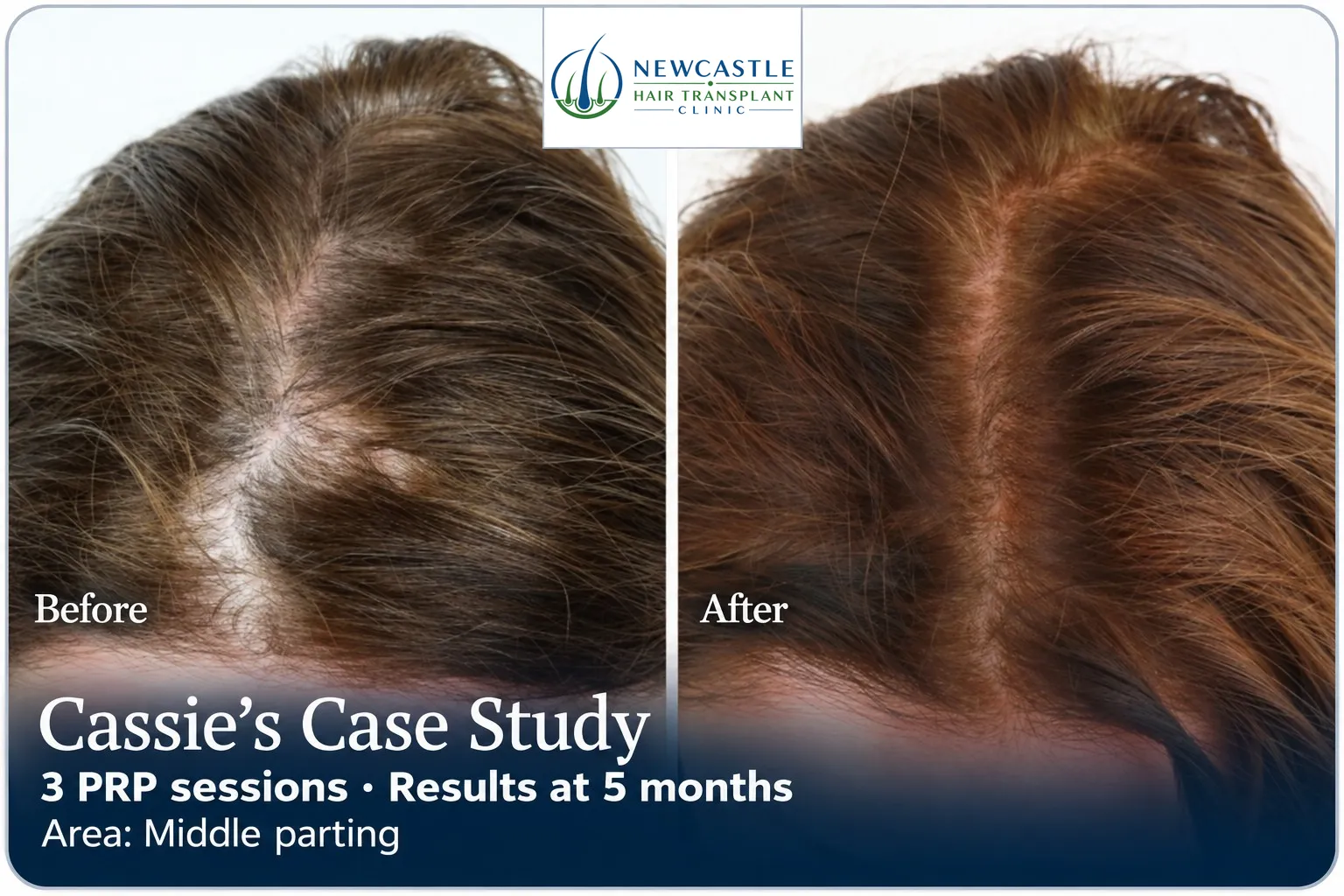
A package of three PRP sessions costs £495 and includes blood collection, centrifuge preparation and targeted scalp injections at each appointment.
PRP may be discussed for some women with pattern thinning. A diagnosis and suitability assessment come first.
Injections can cause discomfort and temporary tenderness. The clinician should explain side effects, risks and aftercare before treatment.
It may be offered alongside surgery, but it should not be presented as a guarantee of better healing, less shedding or greater graft growth.
