
Surgeon-performed vs technician-led FUE: who does your surgery?
Understand surgeon and technician roles, surgical steps and the questions to ask before choosing your clinic.
Read article →

Understand surgeon and technician roles, surgical steps and the questions to ask before choosing your clinic.
Read article →
A UK guide to symptoms, blood tests, treatment and recovery, and why finding the cause of low iron matters.
Read the iron deficiency guide
Grey hair can be transplanted. Suitability depends on donor density, scalp health and the area that needs coverage.
Read article
The concern began with a small study of DHT. Later research measured hair directly; the findings and their limits are explained here.
Read article
Graft estimates depend on the size of the treatment area, existing hair and donor supply. A larger number is not always a better plan.
Read article
A footballer’s photographs cannot confirm surgery. Here is what public accounts can tell us and what remains unknown.
Read article
Finasteride may help protect non-transplanted hair. Its suitability, side effects and continued use need discussion with a prescriber.
Read article
An FUE quotation should explain the graft estimate, who performs surgery, what aftercare is included and any additional charges.
Read article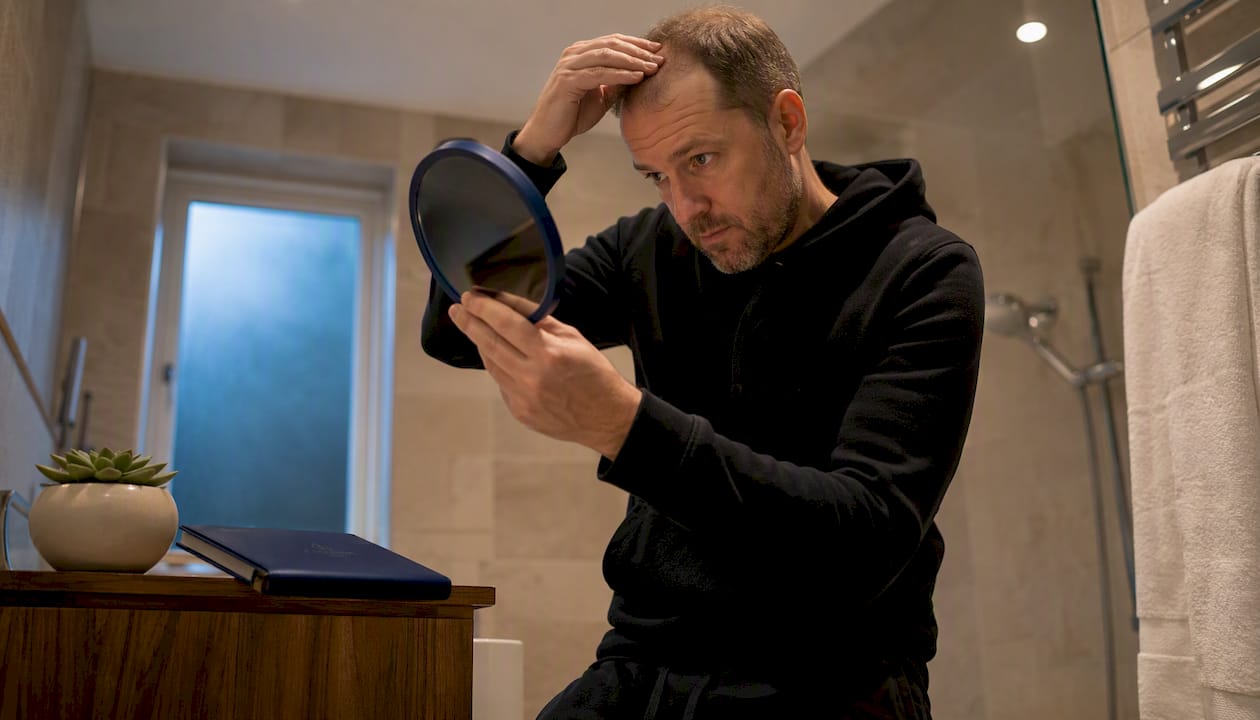
The scalp heals before the final result appears. This recovery guide covers washing, work, exercise, shedding and when to contact the clinic.
Read article
Compare the Newcastle clinic’s published guide prices with your individual quotation, including follow-up appointments and other costs.
Read article
FUE removes grafts individually; FUT takes a strip of donor scalp. The methods differ in scarring, shaving and donor-area recovery.
Read article
Before paying a deposit, ask for the procedure, graft estimate, aftercare and additional charges in writing.
Read article
Monthly repayments are only part of the cost. Check the deposit, interest, fees, repayment term and total amount repayable.
Read article
Gradual thinning, sudden shedding and patchy loss can have different causes. The pattern and timing help guide assessment.
Read article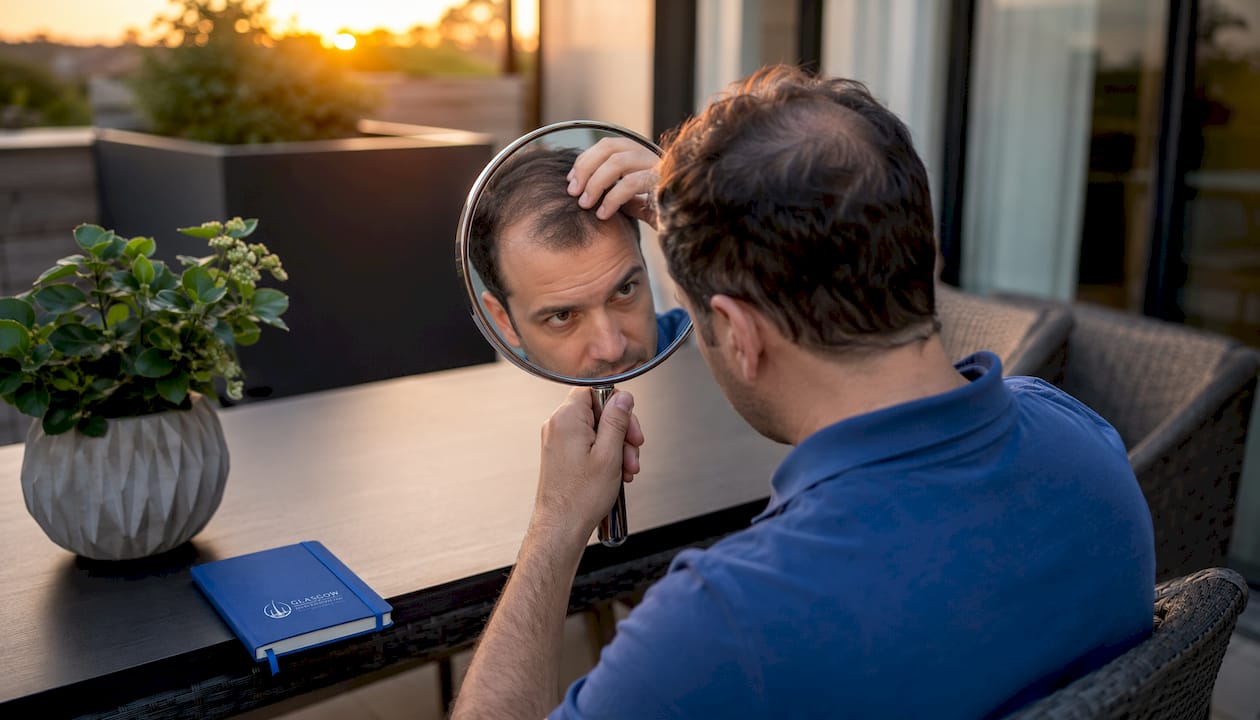
Self-treatment can delay a diagnosis. Check the cause of your hair loss before buying supplements or committing to surgery.
Read article
Aftercare instructions cover washing, activity, medication and review appointments. They should also explain who to contact if healing concerns you.
Read article
Travel, accommodation, medication and follow-up appointments can add to the advertised price. Ask which costs are included before booking.
Read article
A beard transplant uses donor hair to fill selected facial areas. Hair direction, design and the cause of any loss affect suitability.
Read article
Scarring alopecia can permanently damage follicles. Early medical assessment matters, particularly when the scalp is painful or inflamed.
Read article
Stable hair loss means progression has slowed or stopped over an observed period. It does not guarantee that thinning will never return.
Read article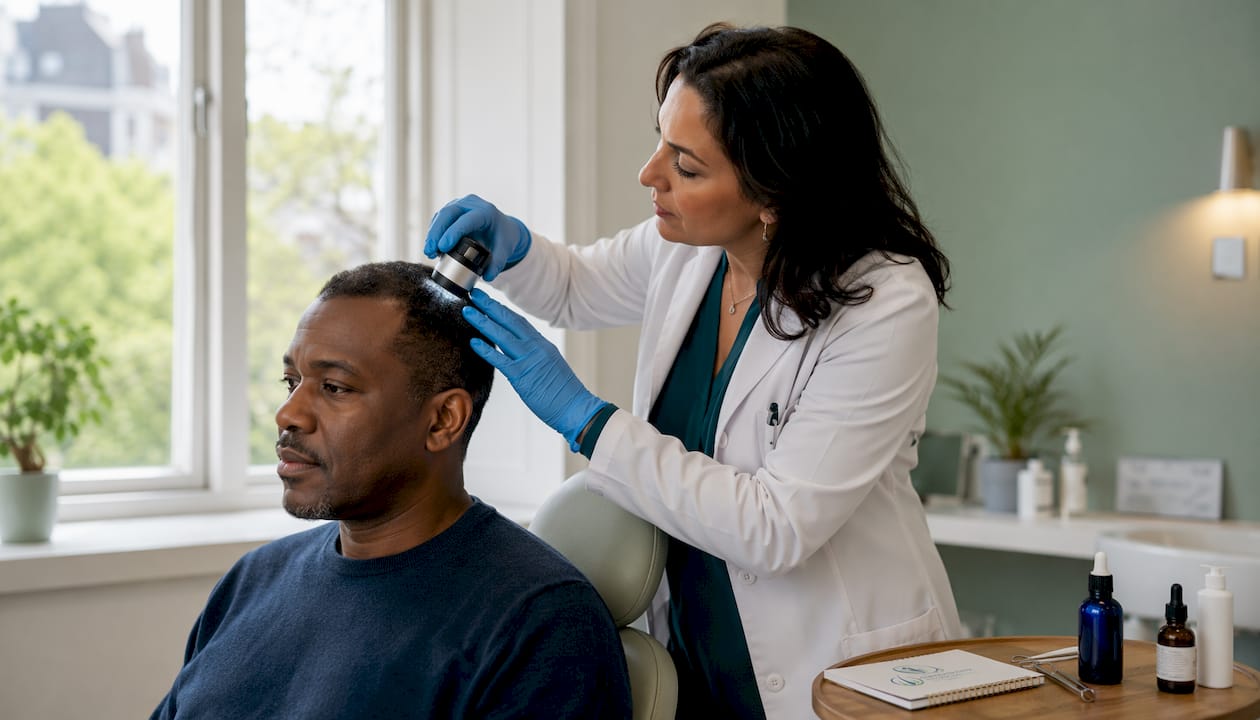
Patchy hair loss can have several causes, including alopecia areata, traction and infection. Sudden or inflamed patches need assessment.
Read article
A clinic assessment should establish the cause of hair loss before comparing medication, surgery or other options.
Read article
Stress-related shedding can appear months after a trigger. Persistent loss or scalp symptoms should be assessed rather than assumed to be stress.
Read article
Medication, camouflage products and hair systems offer different alternatives to surgery. Their purpose, limitations and ongoing costs vary.
Read article
A widening parting, changing hairline or increased shedding may be worth recording. Sudden or patchy loss needs medical advice.
Read article
Eyebrow thinning may follow overplucking, skin disease or another health condition. Treatment depends on the cause.
Read article
Hair-loss scales describe visible patterns. They help record change but cannot diagnose the cause or decide whether surgery is suitable.
Read article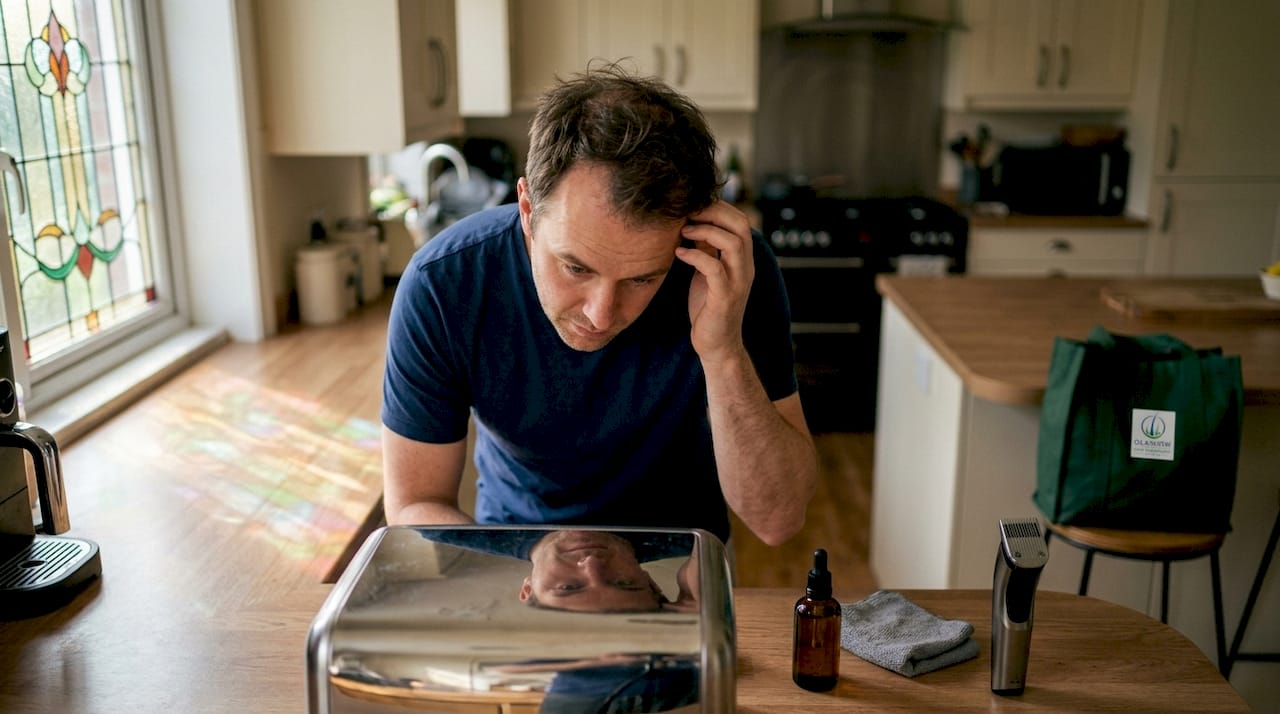
A receding hairline may reflect inherited pattern loss. Continued change should be assessed rather than dismissed as ageing.
Read article
Treatment aims depend on the diagnosis. Some options may slow further thinning, but they do not work for everyone.
Read article
A consultation should cover diagnosis, donor supply, expected results, risks, recovery and cost before you decide about surgery.
Read article
Cosmetic hair transplants are usually excluded from medical insurance. Check your policy and obtain the insurer’s written decision before relying on cover.
Read article
Hormonal changes can contribute to female hair loss, but the pattern and medical history determine which investigations may be useful.
Read article
Medication, surgery and cosmetic options do different jobs. Compare their benefits, limitations and suitability for your diagnosis.
Read article
Inherited pattern hair loss involves many genes from both sides of the family. Family history indicates risk without predicting an exact outcome.
Read article
Hair loss after 30 has several possible causes. The pattern, speed of change and scalp symptoms matter more than age alone.
Read article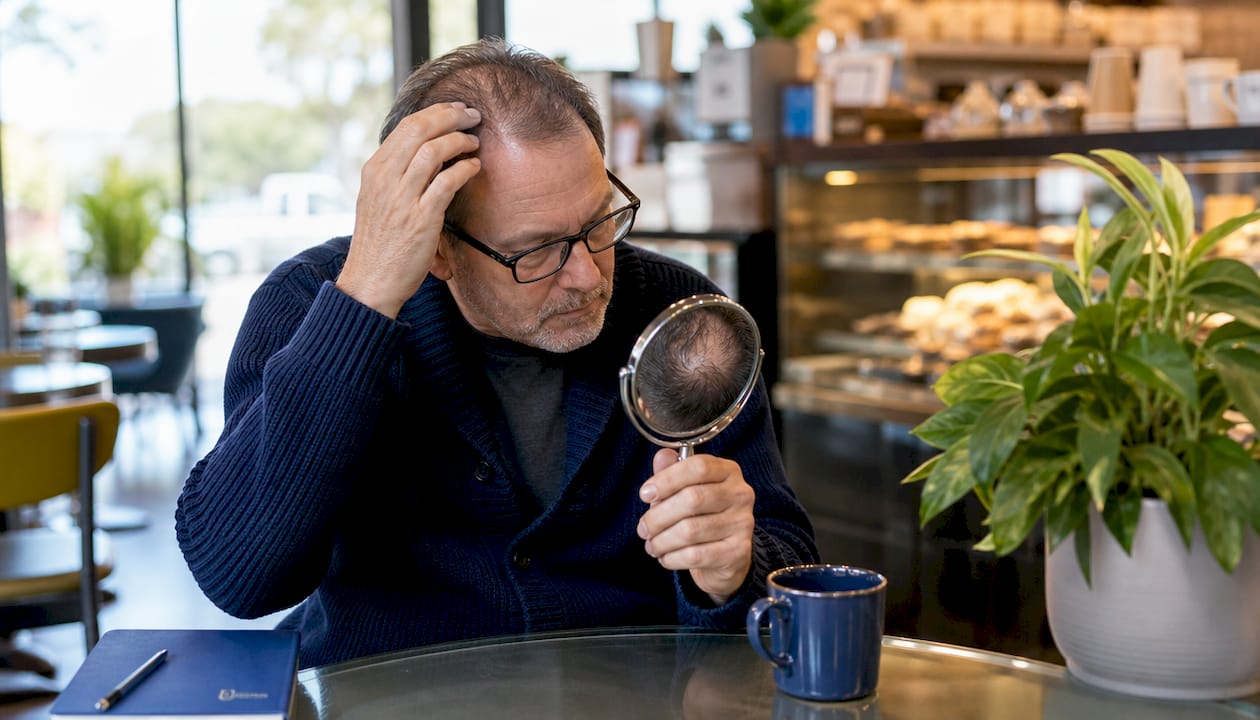
Crown thinning can be easy to miss. Consistent photographs help show changes that can then be discussed at an assessment.
Read article
Gentle scalp care can reduce irritation and breakage. It does not replace treatment for a diagnosed hair-loss condition.
Read article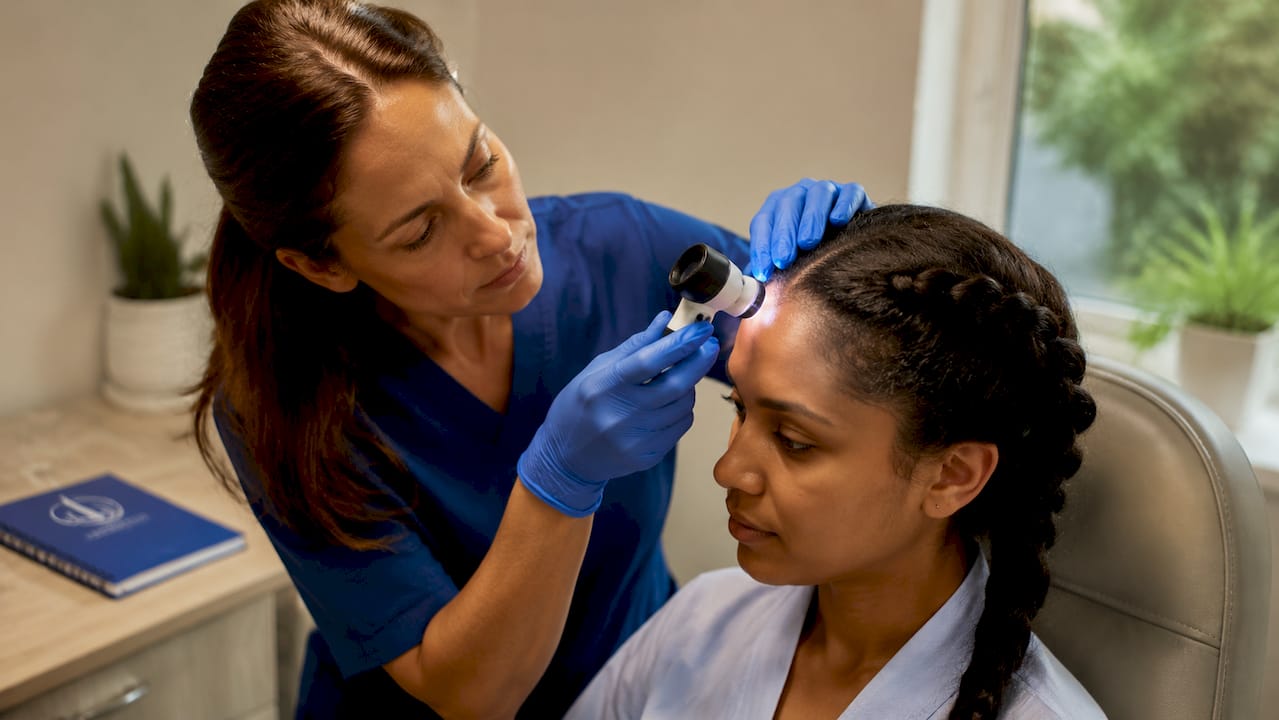
Repeated tension from tight hairstyles can damage follicles. Loosen painful styles and seek advice if thinning persists.
Read article
Young men need a diagnosis and a plan for future loss. Medication and surgery each have limitations that should be discussed before treatment.
Read article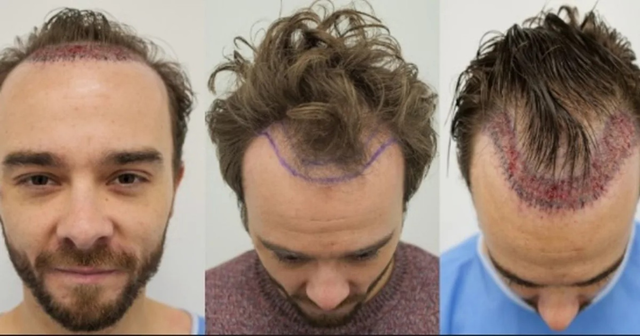
Celebrity photographs do not show donor supply or a complete treatment history. Hairline planning needs an individual assessment.
Read article
A trial headline is not a prediction of your result. The study population, outcome measured and follow-up period all affect what a figure means.
Read article
Local anaesthetic numbs the treatment areas. Ask about injections, discomfort, monitoring and any concerns before the procedure.
Read article
Bring a timeline, medication list and any relevant photographs or test results. Write down the questions you want answered.
Read article
Gentle hair care and correcting a proven deficiency may help some problems. Natural products do not treat every cause of female hair loss.
Read article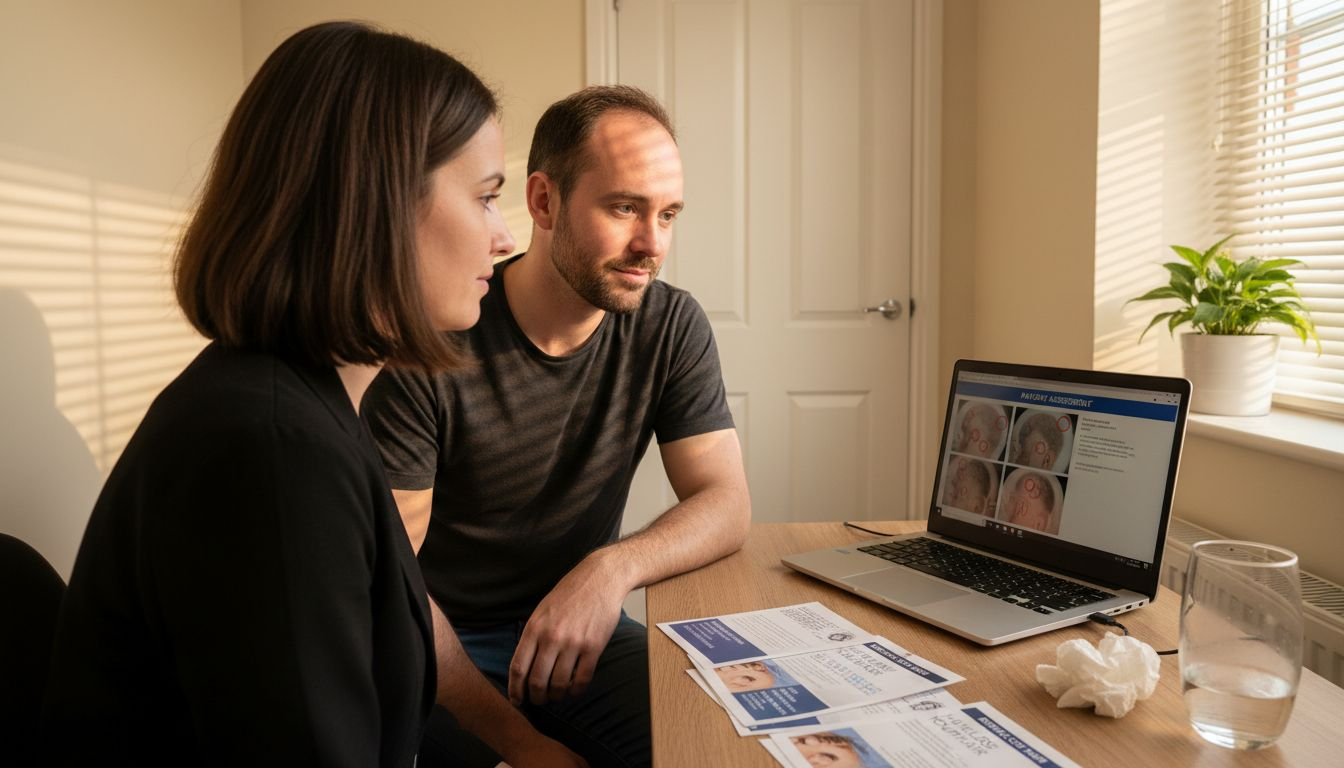
You can seek help when hair loss affects daily life. Medical advice and emotional support can be considered together.
Read article
Preparation and aftercare depend on your procedure and health. Follow the clinic’s individual instructions and ask about anything unclear.
Read article
Changes in Mo Salah’s hair cannot establish which treatment, if any, he has had. Photographs have limits as medical evidence.
Read article
Compare the operating team, regulation, written costs and follow-up arrangements before choosing treatment in the UK or Turkey.
Read article
Check the named surgeon, treatment location, procedure plan and aftercare before booking a hair transplant.
Read article
Hair-loss figures depend on who was studied and how loss was measured. Population estimates cannot predict an individual’s diagnosis or result.
Read article