Hair loss treatment for young men
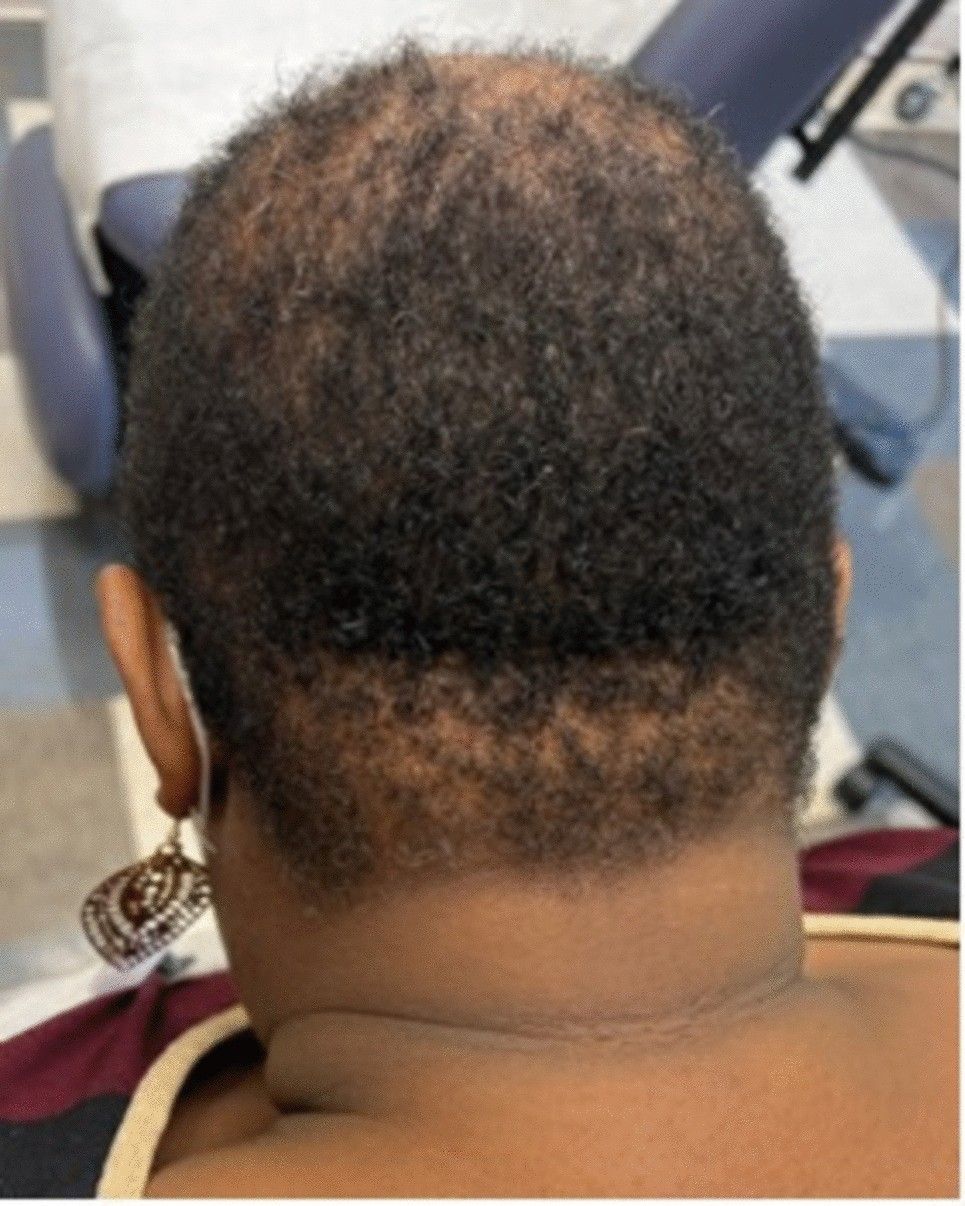
Young men need a diagnosis and a plan for future loss. Medication and surgery each have limitations that should be discussed before treatment.


1. how finasteride halts male pattern baldness
Finasteride is a maintenance medication that blocks DHT conversion, the hormone chiefly responsible for male pattern baldness. When DHT binds to hair follicles, it causes them to shrink and eventually stop producing hair. Finasteride interrupts that process at the source.
The drug is licensed for men aged 18 and over with male pattern baldness. You take a 1mg tablet daily. Results are not instant, and that is where many young men give up too soon.
Finasteride halts hair loss in 83–87% of men after two years of consistent use. That figure represents stabilisation, not necessarily regrowth. The drug is far more effective at holding what you have than recovering hair that has been dormant for years.
Key points about finasteride:
- Results require at least 12 months of daily use before meaningful assessment
- Finasteride is more effective at maintaining existing hair than regrowing miniaturised follicles
- Side effects, including reduced libido, affect a small minority of men and typically resolve on stopping
- Stopping treatment reverses benefits within 6–12 months as DHT levels recover
- Prescription is required; a GP or private clinic must assess suitability
Discuss new thinning with a GP or qualified prescriber. Finasteride is a prescription medicine with potential side effects and is not suitable for everyone.
2. using minoxidil to stimulate hair regrowth
Minoxidil works through a completely different mechanism to finasteride. It prolongs the anagen (active growth) phase of the hair cycle and improves blood flow to the scalp, delivering more oxygen and nutrients to follicles. The result is thicker, longer hairs in areas where follicles remain viable.
The 5% topical solution is available over the counter in the UK without a prescription. You apply it directly to the scalp twice daily. Consistency is non-negotiable.
Here is what to expect during the first year of use:
- Weeks 1–8: Initial shedding is common and normal. Shedding indicates follicles shifting into a new active growth cycle, which is a positive sign.
- Months 2–4: Shedding slows. Fine, short hairs begin to appear in treated areas.
- Months 4–6: Visible density improvements become noticeable in most men.
- Months 6–12: Minoxidil promotes new growth in 62.5% of men within one year of continuous use.
- Beyond 12 months: Continued use maintains and can build on results. Stopping reverses gains within months.
Scalp irritation and dryness are the most common side effects. Switching to a foam formulation often reduces irritation compared to the liquid solution.
Apply minoxidil to a completely dry scalp. Applying to damp skin dilutes the active ingredient and reduces absorption into the follicle.
3. combining treatments for better long-term density
Finasteride and minoxidil address different physiological pathways. Finasteride reduces the hormonal signal that destroys follicles. Minoxidil stimulates the growth cycle directly. Used together, they cover both fronts simultaneously.
Combining finasteride and minoxidil tends to produce better long-term density results than either treatment alone. Clinicians increasingly recommend combination therapy as the standard first approach for young men with moderate thinning.
Beyond the two core medications, several adjunct treatments can support results:
- Microneedling: Microneedling enhances topical absorption by creating micro-channels in the scalp and stimulating follicle activity through a controlled healing response. Used monthly alongside minoxidil, it can meaningfully improve uptake.
- Low-level laser therapy (LLLT): Devices such as laser caps and combs deliver red light to the scalp, supporting cellular energy in follicles. Evidence is modest but consistent as an adjunct.
- Platelet-Rich Plasma (PRP) therapy: PRP uses growth factors from your own blood to stimulate follicles. Newcastle Hair Transplant Clinic offers PRP as part of a combined treatment plan for suitable patients.
When does surgical intervention make sense?
Hair transplant surgery becomes relevant when medical treatments have stabilised loss but density remains unsatisfactory. The two main surgical techniques are Follicular Unit Extraction (FUE) and Direct Hair Implantation (DHI). Both involve harvesting individual follicular units from a donor area and implanting them into thinning zones.
For young men, timing matters. Surgeons generally recommend waiting until the pattern of loss is stable and predictable, typically in the mid to late twenties, before committing to a transplant. Operating too early risks placing grafts in areas that will continue to thin around them.
FUE hair transplants are a permanent solution available privately in the UK, with costs ranging from £3,000 to £15,000 depending on the number of grafts required. Crown hair transplants address one of the most common areas of concern for men in this age group.
4. lifestyle factors that affect hair loss in young men
Medical treatments address the primary cause of androgenetic alopecia, but non-hormonal factors can accelerate or compound shedding. Identifying these early prevents unnecessary loss.
Ruling out non-hormonal causes such as iron deficiency, thyroid dysfunction, or chronic stress is a critical first step before starting any treatment. A simple blood panel from your GP covers all three.
Lifestyle factors worth addressing:
- Nutrition: Deficiencies in iron, zinc, vitamin D, and biotin are linked to increased shedding. Supplements only help if a deficiency is confirmed. Taking them without a deficiency produces no benefit.
- Stress management: Telogen effluvium, the medical term for stress-related shedding, can trigger significant hair loss in young men. The loss is usually temporary if the stressor is resolved.
- Scalp hygiene: A clean, healthy scalp supports follicle function. Washing regularly with a gentle shampoo removes sebum and product build-up that can block follicles.
- Avoiding unproven products: Caffeine shampoos, keratin sprays, and herbal supplements marketed as hair loss cures have no meaningful clinical evidence behind them. They delay effective treatment.
- Realistic timelines: Consistent treatment for 12–24 months is needed before you can assess true cosmetic results. Young men who stop at three months rarely see what the treatment could have achieved.
Questions and answers
Should I get a diagnosis before choosing a treatment?
Yes. Gradual recession, sudden shedding and patchy loss can have different causes. Tell your GP when the change started, whether you have scalp symptoms and about recent illnesses, weight changes or medicines. The NHS guide to hair loss explains why the cause matters.
Does a hair transplant stop further hair loss?
A transplant moves donor hair into thinning areas. It does not prevent the surrounding non-transplanted hair from continuing to thin. Planning needs to take account of your donor supply and how your hair loss may develop.
Do I have to decide on treatment at my first consultation?
You can use the appointment to understand the diagnosis, available options, costs and follow-up. Ask for the proposed plan in writing and take time to consider the benefits, risks and limitations before making a decision.
Dr Harpreet Kalra
Newcastle Hair Transplant Clinic