Hair loss and confidence
You can seek help when hair loss affects daily life. Medical advice and emotional support can be considered together.

Home › Hair loss advice › Hair loss and confidence
Hair loss and confidence: when to seek help
By Dr Harpreet Kalra · Updated 30 August 2026 · 7 minute read
Hair loss affects people differently. Some want treatment, some prefer camouflage or a shorter hairstyle, and others are comfortable doing nothing. None of these choices says anything about a person's confidence, relationships or prospects.
A clinical assessment is useful when you want to understand the cause, when the pattern is changing or when hair loss is affecting your wellbeing. Treatment is a personal decision, not an obligation.
When to ask for medical advice
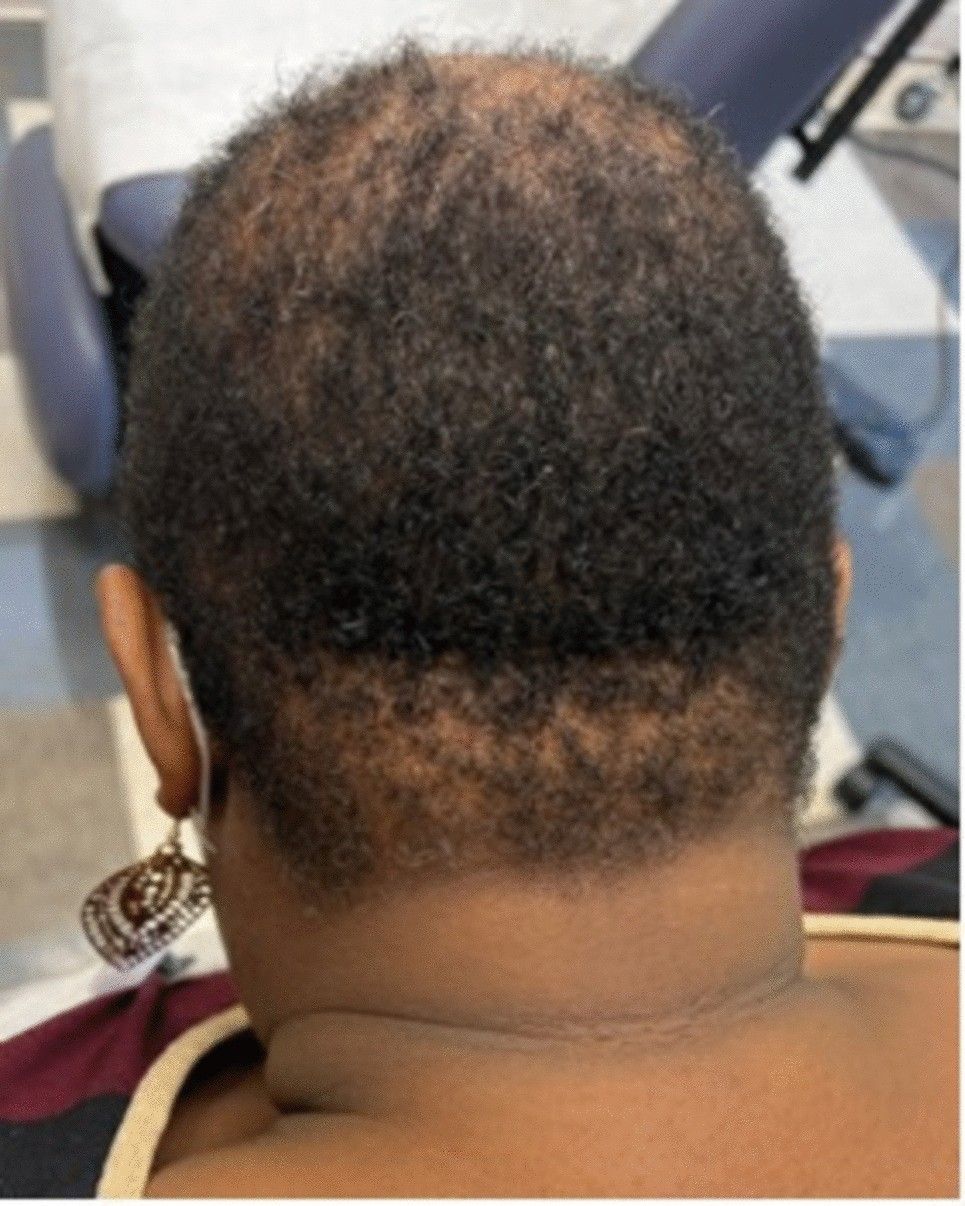
Gradual recession at the temples or thinning over the crown can fit male pattern hair loss. A widening parting or reduced density over the top of the scalp can fit female pattern hair loss. Other patterns need a broader assessment.
Speak to a GP or dermatologist if hair loss is sudden, patchy or accompanied by pain, marked itching, scaling, inflammation or scarring. Assessment is also sensible after a recent illness, major weight change, new medicine or other symptoms that could point to a medical cause. Our guide to the different types of alopecia explains why one diagnosis does not cover every form of hair loss.
Diagnosis comes before treatment
A consultation should cover the history and pattern of loss, scalp condition, family history, current medicines and relevant health factors. Blood tests may be appropriate when the history suggests an underlying condition or deficiency, but they are not required for every patient.
Pattern hair loss, temporary shedding, alopecia areata and scarring alopecia are managed differently. Surgery should not be planned until the cause is reasonably clear and the donor area has been examined. Men with gradual pattern loss can also read our guide to common causes of male hair loss; women can find dedicated information on female hair loss and transplant assessment.
Medical treatment for pattern hair loss
The NHS hair-loss guidance lists finasteride and minoxidil as the main treatments for male pattern baldness, and minoxidil may also be used for female pattern hair loss. They do not work for everyone and any benefit is generally maintained only while treatment continues.
Topical minoxidil can cause scalp irritation and temporary increased shedding when treatment begins. Suitability depends on the product, age, health history and the type of hair loss. Read the product information and ask a pharmacist, GP, dermatologist or other appropriate prescriber before starting or stopping treatment.
Finasteride for hair loss is a prescription medicine for men. The MHRA warns about low mood, depression, suicidal thoughts and sexual dysfunction. Anyone considering it should read the patient alert card and leaflet, tell the prescriber about any personal history of depression or suicidal thoughts and follow the safety advice if symptoms develop.
Finasteride is not licensed in the UK for female pattern hair loss, and the NHS advises women not to use it. It must not be used during pregnancy.
Do not take vitamins or minerals simply because a product is labelled for hair growth. A clinician can investigate a suspected deficiency and advise whether supplementation is needed. Taking several products without a diagnosis can add cost, side effects and medicine interactions without addressing the cause.
When a hair transplant may be considered
A transplant moves selected follicles from a donor area to an area of established loss. It may be considered when the diagnosis is suitable, the donor supply is strong enough and the planned result is realistic. It does not stop untreated native hair from continuing to thin, and no operation can guarantee a particular density.
FUE removes follicular units individually. FUT removes a narrow strip of donor-bearing scalp that is divided into grafts. The better option depends on the donor area, recipient area, hairstyle, scarring preferences and long-term graft plan rather than a claim that one method suits everyone.
The NHS hair transplant guide notes that transplanted hairs often shed after a few weeks, new growth may start at around four months and the final result may take roughly 10 to 18 months. A reputable consultation should cover surgical risks, aftercare, possible future loss, total cost and the limits of the available donor hair before a decision is made.
Hair loss and emotional wellbeing
Hair loss can be upsetting, but distress is not inevitable and surgery is not a mental-health treatment. Nobody should be told that they need a procedure to succeed at work, maintain a relationship or be taken seriously.
If worry about hair loss is affecting sleep, mood, social life or day-to-day functioning, speak to a GP. The NHS advises that counselling or a support group may help. Emotional support can be used alongside physical treatment, or without it.
Making a decision without pressure
Useful options may include monitoring with consistent photographs, changing a hairstyle, using fibres or a hair system, treating an identified medical cause, prescribed medication or surgery. The right choice depends on the diagnosis and what matters to the patient.
A consultation should provide time to ask questions and consider alternatives. It should not use shame, time pressure or promises of permanent confidence. To discuss diagnosis, donor-area suitability and realistic treatment choices, contact the Newcastle clinic.
Questions and answers
Do I have to treat hair loss?
No. Treatment is a personal choice. An assessment can explain the cause and available options without committing you to a procedure or medicine.
Can I ask for help if the hair loss seems small to other people?
Yes. Explain how the change is affecting you as well as what you can see. Your concerns deserve a discussion even if somebody else judges the visible loss differently.
Will surgery resolve every concern about my appearance?
No procedure can promise that. Discuss your expectations openly, including what you hope would change in everyday life. Treatment limitations and support for distress should be considered alongside the physical hair loss.
Dr Harpreet Kalra
Newcastle Hair Transplant Clinic