Natural remedies for female hair loss: limitations and evidence
Gentle hair care and correcting a proven deficiency may help some problems. Natural products do not treat every cause of female hair loss.

Hair loss in women: what you can do at home and when to get help
By Dr Harpreet Kalra · Updated 30 August 2026 · 7 minute read
Searching for a “natural” treatment for hair loss in women often leads to supplements, oils and routines that promise more than they can deliver. Some practical changes can protect fragile hair and correct a genuine dietary problem, but they cannot treat every cause of thinning.
The first useful question is not which product to buy. It is what type of hair loss is happening. A widening part, sudden shedding, smooth bald patches and a sore or inflamed scalp are different problems. They do not share one home remedy.
If you are unsure about the pattern, start with a GP or dermatologist rather than taking several supplements at once. The NHS hair-loss guide recommends seeing a GP if you are worried, and notes that hair loss can sometimes be linked to a medical condition.
Look at the pattern and timing
Gradual thinning over the top of the scalp
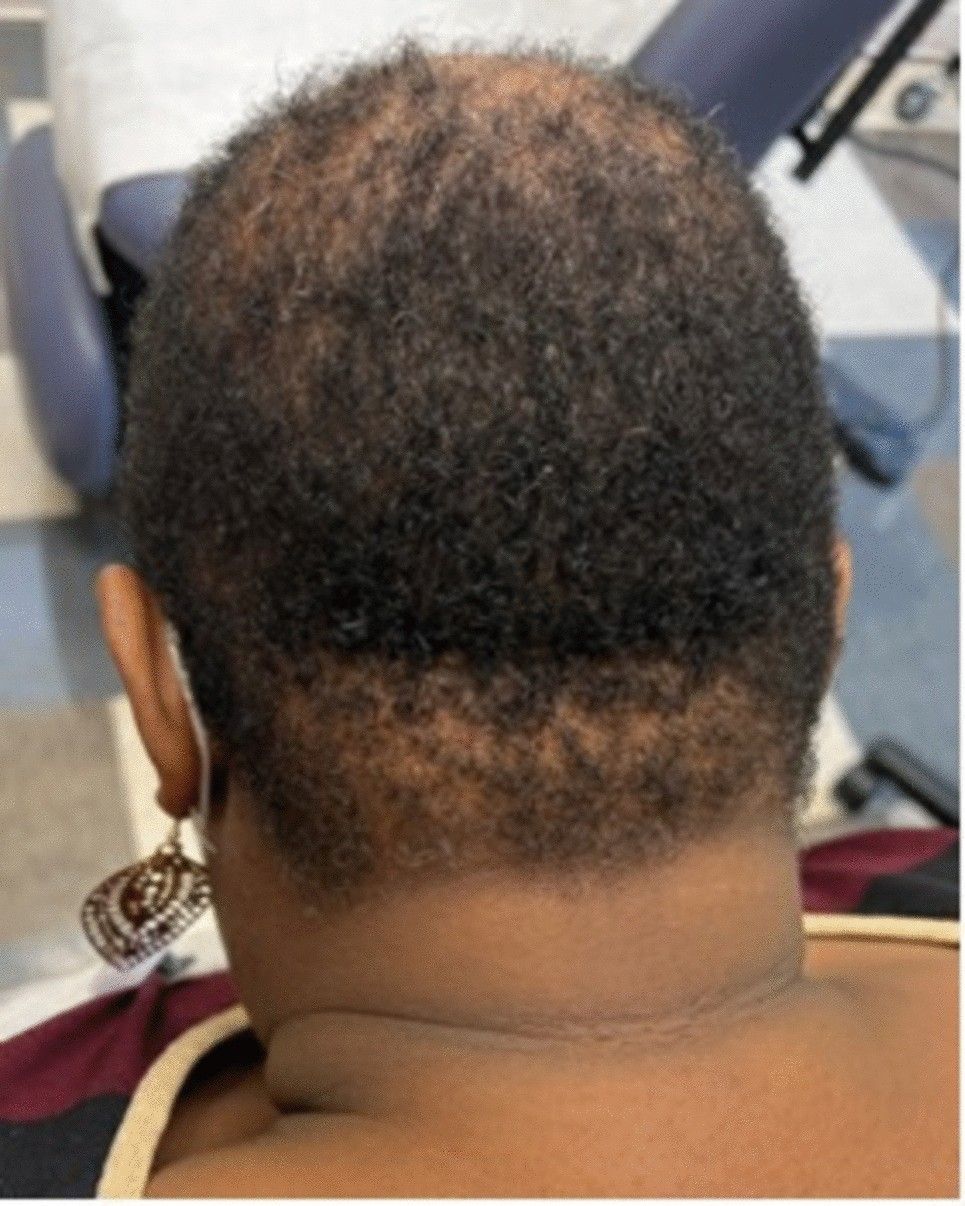
Female pattern hair loss commonly develops slowly. The central part may look wider and more scalp becomes visible through the hair, while the front hairline is often retained. Family history can be relevant, but the pattern still needs to be separated from other causes of diffuse thinning.
More shedding than usual
Telogen effluvium causes increased shedding, often a few months after an illness, operation, birth, major weight change, severe stress or another physical trigger. The timing means the connection is not always obvious. The British Association of Dermatologists’ telogen effluvium information explains that other types of thinning can look similar and may occur at the same time.
Patchy, painful or inflamed hair loss
Smooth patches can occur with alopecia areata. Redness, scale, spots, pain, marked itching, a shiny scalp or loss of eyebrows may suggest a different inflammatory or scarring process. These signs should not be managed with oils or massage while waiting to see what happens. Early assessment matters because some scarring conditions can permanently damage follicles.
What can be done safely at home?
Reduce unnecessary pulling and breakage
Choose styles that do not leave the scalp sore or place continuous tension on the edges. Tight braids, extensions, ponytails and buns can contribute to traction alopecia. If tension is identified early and removed, regrowth may be possible; longstanding traction can be permanent. The BAD traction alopecia guide describes the common patterns and warning signs.
Handle wet hair gently, avoid repeated high heat and do not rely on frequent bleaching or chemical processing to disguise thinning. These measures reduce shaft damage and breakage. They do not restart follicles that have stopped producing hair.
Eat regularly and address proven deficiencies
A balanced diet with adequate energy, protein, iron and other nutrients supports normal hair growth. Crash dieting and a very restricted diet can contribute to shedding. If heavy periods, pregnancy, a restrictive diet, digestive symptoms or fatigue raise concern about iron deficiency, discuss testing with a clinician. NHS information on iron-deficiency anaemia explains that diagnosis and treatment depend on the cause.
Do not assume that hair loss means you need iron, zinc, biotin or a high-dose multivitamin. Supplements are useful when there is a dietary gap or confirmed deficiency; unnecessary doses can cause side effects, interact with medicines and make some blood test results harder to interpret. Bring a list of everything you take to an appointment.
Use scalp care for comfort, not as a cure-all
A gentle shampoo and treatment of dandruff or dermatitis can make an itchy scalp more comfortable. Massage may feel relaxing, but it is not a substitute for diagnosing pattern hair loss, alopecia areata or a scarring disorder. Stop any oil, dye or cosmetic product that causes burning, swelling or a rash.
Record change without counting every hair
Take photographs once a month in the same lighting, with the same part and camera distance. Note when shedding began, any recent illness or medication change, menstrual changes and whether the scalp has symptoms. Daily hair counting usually adds anxiety without giving a reliable diagnosis.
When treatment may be discussed
Treatment follows the diagnosis. For female pattern hair loss, topical minoxidil may be considered. The British Association of Dermatologists’ patient guidance notes that it may slow progression and partly restore hair in some women, but it can irritate the scalp and any benefit is maintained only while treatment continues. Ask a pharmacist, GP or dermatologist whether a product is appropriate for you, especially during pregnancy, while trying to conceive or when breastfeeding.
Sudden shedding may improve after the trigger has resolved, but persistent loss still deserves assessment. Alopecia areata, inflammatory scalp disease, thyroid problems and iron deficiency need their own management. A clinician may examine the scalp and, where the history suggests it, arrange blood tests or dermatology referral.
Hormonal changes can influence hair, but the word “hormonal” is not a diagnosis. Irregular periods, new facial hair, acne or other symptoms may prompt a broader medical review. Our article on hormones and female hair loss explains the main distinctions.
Is a hair transplant an option?
A transplant moves suitable follicles; it does not treat an active medical cause of hair loss. Some women with a stable, localised pattern and a strong donor area may be candidates, while diffuse thinning, active shedding, alopecia areata or scarring disease can make surgery unsuitable or require specialist management first.
Suitability depends on diagnosis, donor density, miniaturisation, the area that needs coverage and the likelihood of future loss. A stage number or online photograph is not enough. See the clinic’s hair transplant information for women for the questions considered during assessment.
Arrange an assessment sooner if
- hair loss is sudden, patchy or rapidly worsening;
- the scalp is painful, inflamed, crusted or becoming smooth and shiny;
- you are also losing eyebrows or eyelashes;
- shedding follows a new medicine or is accompanied by other symptoms;
- you have fatigue, heavy periods, marked weight change or menstrual changes;
- hair loss is affecting your wellbeing or you are unsure what is causing it.
This is general information, not a diagnosis. Seek advice from a GP, dermatologist or another appropriately qualified clinician about your own hair loss.
Questions and answers
Can a natural product replace a diagnosis?
No. Female hair loss has different causes, and a product described as natural does not establish which one you have. Seek advice if the change is worrying, persistent or accompanied by scalp symptoms.
Are vitamins useful for every woman with thinning hair?
No. Improving an inadequate diet or treating a confirmed deficiency may be relevant, but taking additional vitamins is not a universal hair-loss treatment. Discuss supplements with your clinician.
Should I mention pregnancy or breastfeeding when asking about treatment?
Yes. These circumstances can affect both the possible explanation for shedding and which treatments are appropriate. Check before starting a medicine, supplement or scalp treatment.
Dr Harpreet Kalra
Newcastle Hair Transplant Clinic