
Can you have a hair transplant with grey hair?
Grey hair can be transplanted. A follicle can lose pigment and still produce healthy hair. Suitability depends on your donor hair and whether surgery can help your type of hair loss.

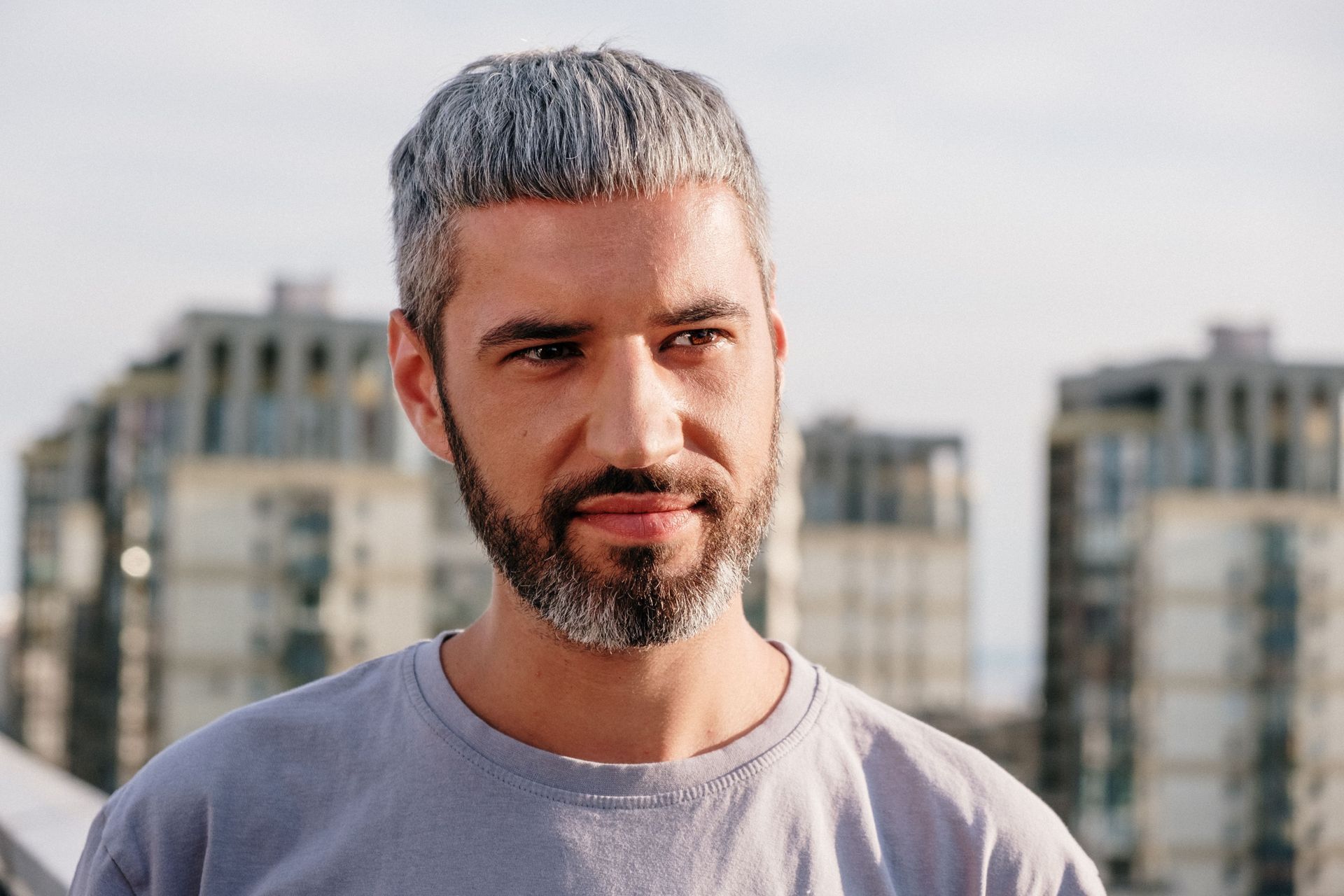
Turning silver does not rule you out of a hair transplant. Full-looking hair at the back and sides does not confirm suitability either. If you are considering treatment in Newcastle, the assessment needs to look beyond colour.
What does going grey actually change?
Hair turns grey or white as pigment production reduces or stops. Hair loss concerns the amount and distribution of growing hair. The two can happen together, but they are not the same process.
The International Society of Hair Restoration Surgery explains that grey hair can be transplanted. The assessment still needs to establish the cause of thinning, scalp health, medical history and realistic expectations.
Look beyond the colour of your donor hair
A surgeon looks beyond the colour of the hair. The number and quality of available follicles, previous surgery, hair characteristics and the area you want to restore all affect the plan.
Our donor-area guide explains why a dense-looking photograph cannot settle every question. Ask the surgeon to show you the proposed donor region and explain how much hair would remain after extraction.
You should also discuss your usual haircut. A result needs to be considered from the back and sides as well as from the front. If you wear your hair short, say so at the consultation.
Will grey grafts blend with darker hair?
For someone with a mixture of grey and darker hair, colour distribution is worth discussing alongside hairline shape and coverage. The ISHRS highlights the importance of planning for the current appearance and further greying over time.
Bring photographs showing your hair as you normally wear it. Tell the surgeon whether you colour it, whether the colour varies across the scalp and what you would like to change. Be clear if your aim is simply better coverage through the front rather than a lower hairline.
Our hairline transplant page explains the wider design considerations. Before you leave the consultation, you should be able to describe the proposed change in your own words.
Am I too old for a hair transplant?
Age alone does not decide suitability. General health, medical history, scalp condition and expectations matter. Grey hair should not be used as a shortcut for judging any of those factors.
Take a current medication list to your appointment, including supplements, and mention any previous problems with surgery or healing. Do not stop prescribed treatment on your own to prepare for a hair transplant.
When can I colour my hair again?
Transplanted grey hair can be dyed once your surgeon says it is appropriate. Ask for advice about your own scalp and the product you use rather than relying on a fixed date from a general article.
Early aftercare also includes protecting the grafts and following your clinic’s washing instructions. Our aftercare guide covers the recovery period. The NHS guide explains that full results can take around 10 to 18 months.
Questions worth taking to your consultation
Ask which area could realistically be restored, how the proposed hairline would blend with your existing hair, and whether ongoing thinning needs treatment. Request a written explanation of the procedure, limitations, recovery and price.
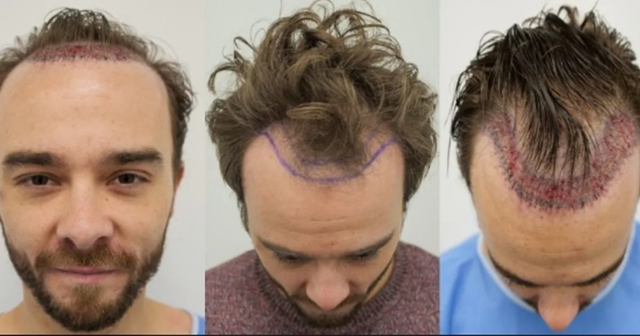
Ask to see examples relevant to your hair characteristics. They can inform the discussion, but another patient’s photograph cannot promise your result. Surgery carries risks, including bleeding, infection, scarring and disappointing growth.
To discuss your options, contact Newcastle Hair Transplant Clinic or call 0191 666 0003. You can read about Dr Harpreet Kalra before arranging an appointment.
Dr Harpreet Kalra
Newcastle Hair Transplant Clinic