Jack P. Shepherd’s hair transplant
A celebrity hairline is not a treatment plan. The result that may suit you depends on your face, existing hair, donor supply and likely future hair loss.

What a photograph can tell you
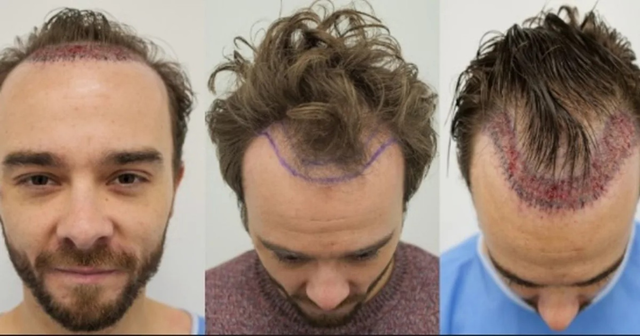
Photographs can show a change in someone’s hairline or apparent density. They cannot establish the graft count, donor-area condition, medicines used or details of a surgical plan. Lighting, styling, hair length and the angle of the picture also affect the comparison.
These limits apply to photographs of Jack P. Shepherd as they do to anyone else. Details of a public figure’s treatment should come from a clear account by that person or an identified treating clinician, rather than an estimate made from television footage.
Planning a hairline for your own face
A consultation looks at the position and shape of the hairline alongside the existing hair. Forehead proportions, temple recession, hair thickness and the direction of growth all affect the design. A low hairline can use more grafts and may be difficult to maintain if the hair behind it continues to thin.
The leading edge needs to blend with the hair behind it. Graft selection, spacing, angle and direction help determine that appearance. Copying a celebrity’s outline does not account for the differences in your scalp or donor supply.
Why donor supply matters
A transplant moves follicles from a donor area; it does not create an unlimited supply of new hair. The surgeon needs to assess how much can be removed without leaving the donor area visibly depleted and how those grafts should be distributed.
The hairline, mid-scalp and crown may compete for the same supply. The plan should explain which area is the priority, what density is realistic and how further loss could affect the result. Read the donor-area guide for more on this assessment.
Can more than one procedure be needed?
Non-transplanted hair can continue to thin after surgery. A later procedure may be considered to address further loss or an area that was left untreated, but this depends on the remaining donor supply and a new assessment. A second operation is neither automatic nor suitable for everyone.
Medication may also be discussed for ongoing pattern hair loss. It has its own benefits, limitations and possible side effects and needs an individual prescribing decision.
Recovery and the developing result
The scalp heals before the final cosmetic result is visible. Early redness and crusting can settle while growth is still developing. Transplanted hair shafts may shed before new growth appears, so early photographs are not a reliable measure of the final density.
Follow the instructions from the team that performed the procedure. The growth timeline and aftercare guide explain the stages and the questions to discuss before surgery.
Questions to take to a consultation
- What is causing my hair loss, and is surgery suitable now?
- How much donor hair is available, and which area should be treated first?
- How would the design look if more of my existing hair is lost?
- Who performs each stage, and what are the risks?
- What does the quotation include, and how is follow-up arranged?
A consultation should give you time to consider the answers. Another person’s result can prompt questions, but it cannot predict your own.
Questions and answers
Can television images show the full result of a hair transplant?
They show an appearance under particular lighting, styling and camera conditions. They cannot reliably measure donor density, graft survival or the contribution of any other treatment.
Would the same graft count produce the same result for me?
No. The treatment area, existing hair, hair characteristics and donor supply all affect coverage. A public figure’s reported graft count is not an individual estimate.
What should I ask if I am considering another transplant?
Ask what further surgery could realistically change, whether the first result has finished developing and how much suitable donor hair remains. Continuing loss and alternatives should be part of that discussion.
Dr Harpreet Kalra
Newcastle Hair Transplant Clinic