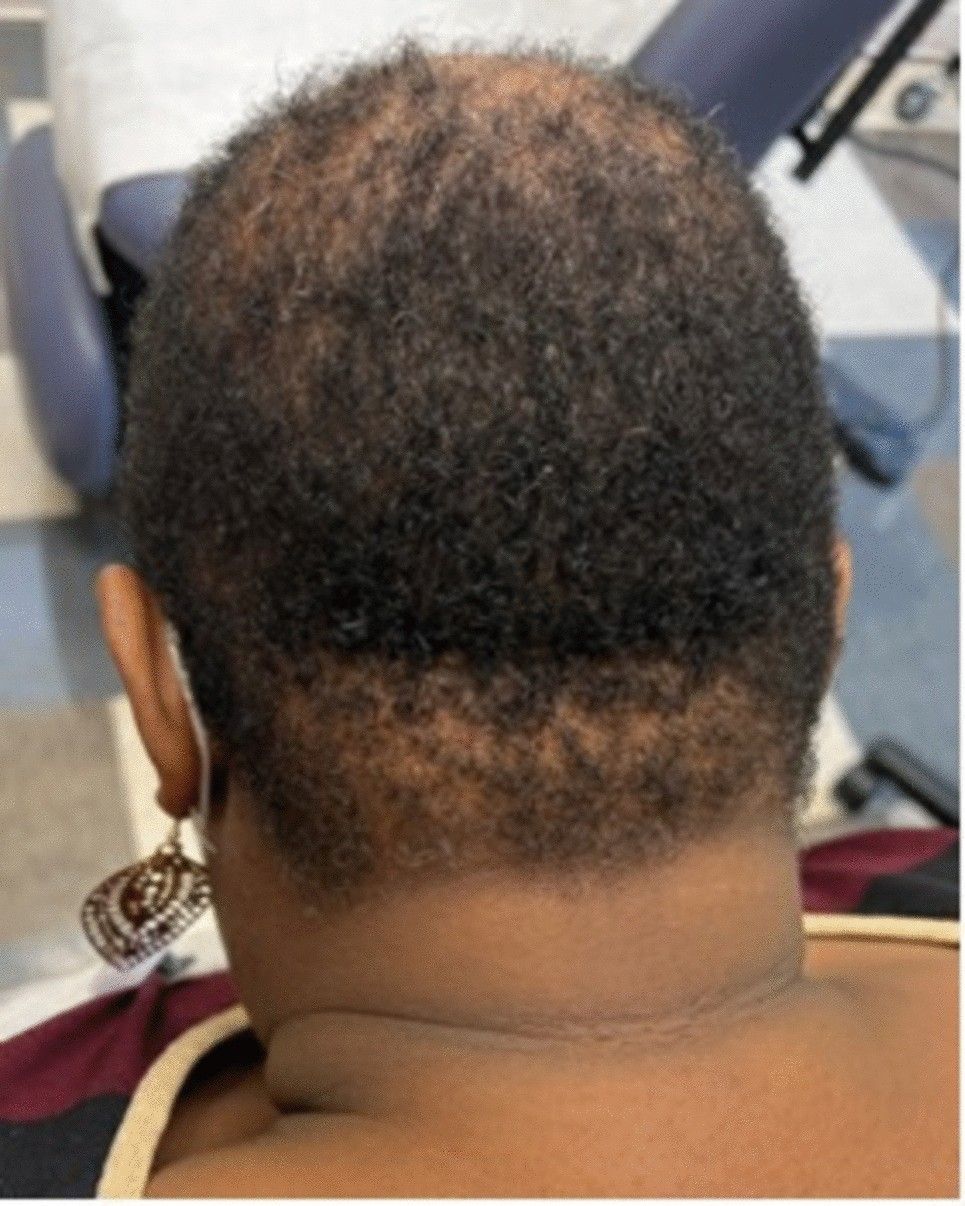
What does stable hair loss mean?
Hair loss is described as stable when the hairline and density have shown little change over time. It does not mean the cause has gone away or that further thinning is impossible.


How can you tell whether your hair loss has slowed?
A single photograph cannot establish stability. Compare pictures taken over several months, using the same lighting, hair length and camera angle. Include the front, temples, top and crown. Wet hair, styling products and overhead lighting can make the scalp look more visible without any change in density.
Take older photographs to an appointment and explain when you first noticed thinning. A clinician can compare the pattern, examine the scalp and look for changes in hair thickness. Counting hairs in the shower alone does not show whether the hairline is receding.
Does balding stop at a particular age?
There is no birthday after which hair loss is guaranteed to stop. Male pattern hair loss can progress slowly over years or decades, and its course differs between people. A quiet period does not reliably predict what will happen later.
Sudden shedding or distinct bald patches need a diagnosis of their own. They should not automatically be treated as ordinary pattern hair loss. If you are worried about a change, speak to your GP before buying treatment.
Can treatment keep hair loss stable?
For male pattern hair loss, finasteride or topical minoxidil may slow thinning. Some people also see regrowth, but neither medicine works for everyone. Keeping the hair you have can be a useful result even when photographs show little extra density.
Benefits generally depend on continued treatment. A prescriber or pharmacist should explain suitability, side effects and how long to allow before reviewing the result. Do not stop or change a prescribed medicine simply because your hair looks stable.
Why does it matter before a hair transplant?
A transplant moves donor follicles into an area of thinning; the surrounding hair can still be lost. If a hairline is designed without allowing for that possibility, its appearance may change as the untreated areas thin.
Ask the surgeon how the plan accounts for future loss, how much donor hair would remain and whether treatment or further observation is sensible before surgery. Stability is one part of this assessment, alongside the diagnosis, donor supply and area you want covered.
What to bring to an assessment
- Older photographs that show the hairline and crown clearly.
- A list of medicines and hair products, with dates you started or stopped them.
- Details of any recent illness, marked shedding or scalp symptoms.
- Your main concern: keeping existing hair, restoring an area, or understanding the cause.
You can request an assessment in Newcastle or read about medication for hair loss.
Sources
Questions and answers
Does stable hair loss mean it can never progress again?
No. Stability describes what has been observed over a period of time. It does not guarantee that the pattern will remain unchanged, so future loss still matters when planning surgery.
How can I help show whether my hair is changing?
Bring dated photographs taken with similar lighting, hair length and angles. Record treatments and when you started or stopped them, so the clinician can interpret the changes.
Should I stop treatment once my hair looks stable?
Discuss any change with your prescriber. The current appearance may be affected by treatment, and stopping it can change the longer-term plan. The NHS guide to hair loss explains the limitations of commonly used medicines.
Dr Harpreet Kalra
Newcastle Hair Transplant Clinic