Can further hair loss be prevented?
Treatment aims depend on the diagnosis. Some options may slow further thinning, but they do not work for everyone.


Why getting the right diagnosis is the first step to stop hair thinning
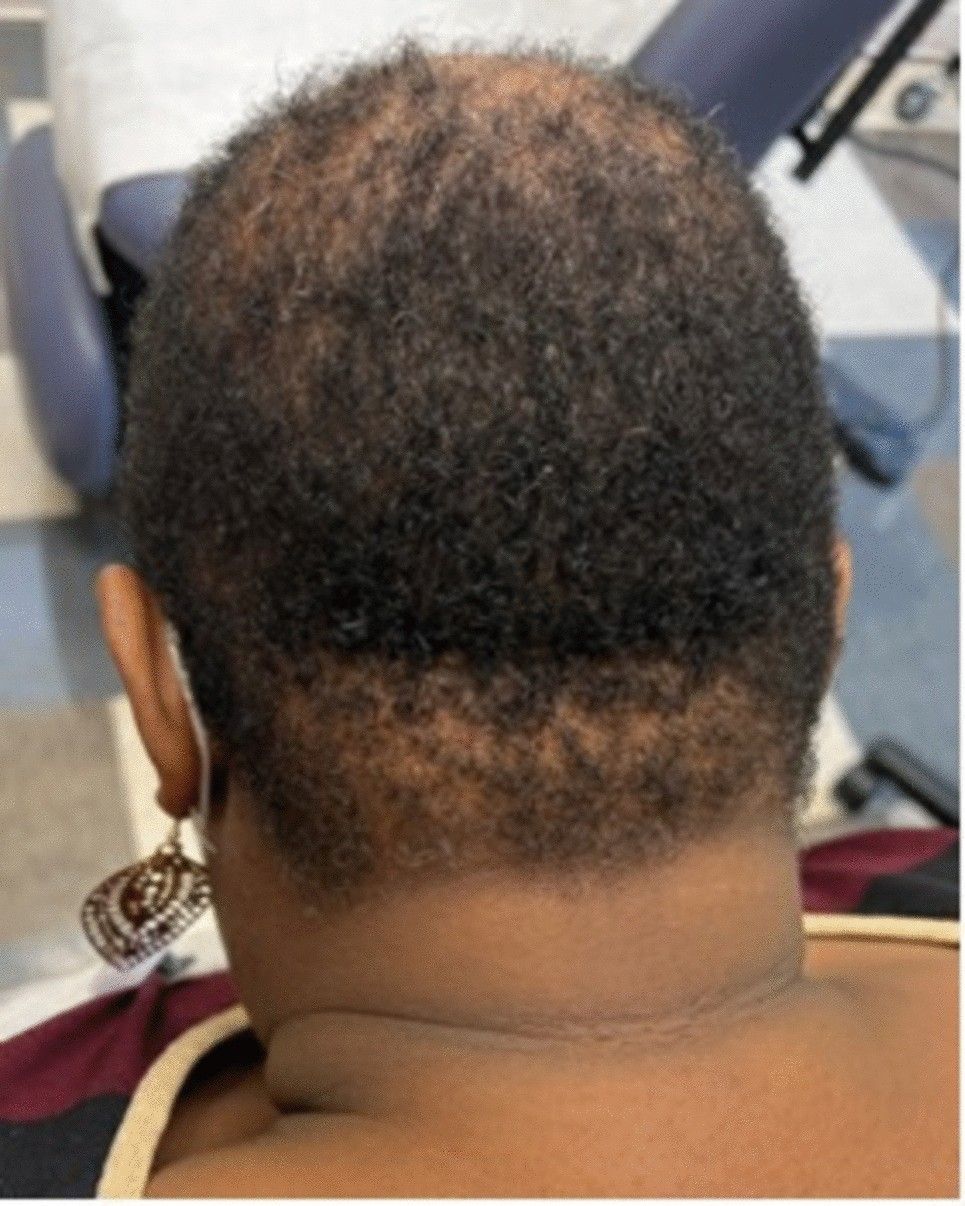
Hair loss arises from multiple causes, including male and female pattern hair loss, inflammatory scalp conditions, and systemic triggers. That variety is precisely why generic shampoos and supplements so often fail. A treatment that works for androgenetic alopecia will not slow a scarring alopecia, and applying minoxidil to a scalp inflamed by lichen planopilaris can delay the correct diagnosis by months.
Your first step is a clinical assessment, ideally with your GP and, where needed, a referral to a dermatologist. A thorough history, blood tests, and sometimes a scalp biopsy will identify whether your thinning is hormonal, nutritional, inflammatory, or autoimmune. Early diagnosis and treatment significantly improves the chances of stabilising hair density before follicles are permanently lost.
Common causes your clinician will assess include:
- Male and female pattern hair loss (androgenetic alopecia): the most common cause, driven by dihydrotestosterone (DHT) sensitivity in genetically predisposed follicles.
- Inflammatory and scarring alopecias : conditions such as lichen planopilaris and frontal fibrosing alopecia, which destroy follicles if untreated.
- Telogen effluvium : diffuse shedding triggered by physical or emotional stress, illness, or surgery, usually temporary.
- Autoimmune conditions : including alopecia areata, where the immune system attacks follicles.
- Systemic causes : thyroid disorders, iron deficiency anaemia, and nutritional deficiencies.
Before your GP appointment, photograph your hairline and parting in consistent lighting every two weeks for a month. This visual record helps clinicians assess the rate and pattern of loss far more accurately than a single consultation.
Lifestyle and systemic factors that reduce hair loss
Systemic health has a direct impact on hair density. Diffuse hair loss is frequently caused by crash dieting, zinc deficiency, iron deficiency anaemia, and thyroid disorders. These are not cosmetic problems. They are medical ones, and addressing them is often the most effective thinning hair solution available.
Nutrition and diet
Iron deficiency is one of the most common and most overlooked drivers of diffuse shedding in women. Ferritin levels below the optimal range suppress the hair growth cycle even when haemoglobin remains normal. Zinc deficiency produces a similar effect. A blood panel that includes ferritin, full blood count, thyroid function, and vitamin D gives your clinician the information needed to correct deficiencies before escalating to topical or oral treatments.
Crash dieting is equally damaging. Severe caloric restriction triggers telogen effluvium, pushing follicles prematurely into the resting phase. The shedding typically appears two to three months after the dietary restriction, which is why many people fail to connect the two events.
Stress, smoking, and scalp care
Chronic psychological stress elevates cortisol, which disrupts the hair growth cycle. Smoking reduces blood flow to the scalp, depriving follicles of oxygen and nutrients. Both are modifiable risk factors. Scalp care matters too: tight hairstyles such as high ponytails and braids cause traction alopecia, a mechanical form of hair loss that is entirely preventable.
Practical lifestyle adjustments to support hair preservation include:
- Eat adequate protein (hair is primarily keratin, a protein) and correct any nutritional deficiencies identified by blood tests.
- Manage thyroid conditions and other chronic illnesses with your GP, as uncontrolled systemic disease accelerates shedding.
- Avoid tight hairstyles and heat styling tools above 180°C on fine or thinning hair.
- Reduce smoking or stop entirely to improve scalp microcirculation.
- Practise stress management through regular physical activity, adequate sleep, and, where needed, psychological support.
Ask your GP specifically for a ferritin test rather than a standard iron test. Ferritin is the stored form of iron and is the more sensitive marker for hair loss risk. Many standard blood panels omit it.
What medical treatments are available to prevent further hair loss thinning?
Evidence-based medical treatments exist for several types of hair loss, and topical minoxidil and oral finasteride are the primary NHS-recommended options for slowing male pattern hair loss progression. Both have specific dosing guidelines, eligibility criteria, and monitoring requirements that make professional supervision non-negotiable.
Topical minoxidil
Minoxidil is a vasodilator applied directly to the scalp. It prolongs the anagen (growth) phase of the hair cycle and increases follicle size. For men, the standard concentration is 5% applied twice daily. For women, 2% or 5% formulations are used depending on clinical assessment. Results require consistent use for at least four to six months before meaningful density changes are visible. Stopping treatment reverses any gains within months, so this is a long-term commitment.
Oral medications: finasteride and dutasteride
Finasteride and dutasteride block the conversion of testosterone to DHT, the hormone responsible for follicle miniaturisation in androgenetic alopecia. Both are effective for male pattern hair loss. However, finasteride and dutasteride carry documented risks of sexual dysfunction and mood changes, including depression and anxiety. The MHRA mandates that prescribers provide detailed informed consent and monitor patients for these side effects throughout treatment.
“Patients prescribed finasteride or dutasteride must receive clear information about the risk of sexual dysfunction and psychiatric side effects. Monitoring for these effects should be integrated into every follow-up appointment, not treated as an afterthought.” — MHRA Drug Safety Update
Finasteride is not licensed for use in women of childbearing age due to the risk of foetal harm. Female patients should discuss alternatives such as topical minoxidil or anti-androgen therapies with a dermatologist.
Chemotherapy-related hair loss
Hair loss from cancer treatment is generally temporary. Prevention in this context focuses on minimising follicle damage during treatment and supporting regrowth afterwards, rather than long-term pharmacological intervention. Scalp cooling during chemotherapy infusions is the primary clinical tool used to reduce drug exposure to scalp follicles.
Key points on medical treatment eligibility:
- Minoxidil is available over the counter but should be used under clinical guidance to confirm the diagnosis first.
- Finasteride requires a prescription and is contraindicated in women of childbearing potential.
- Female pattern hair loss is chronic and progressive; early treatment and realistic expectation-setting are both part of effective management.
- All medical treatments require monitoring and should be reviewed regularly by a qualified clinician.
Supportive treatments and when to consider hair transplantation
When medical treatments are insufficient or hair loss has already progressed significantly, additional options exist. These range from non-surgical therapies to surgical restoration, and the right choice depends on the type and extent of loss.
Non-surgical supportive options
| Treatment | Best suited for | Key consideration |
|---|---|---|
| Low-level laser therapy (LLLT) | Androgenetic alopecia, early thinning | Requires consistent use; evidence is moderate |
| Platelet-rich plasma (PRP) therapy | Pattern hair loss, post-transplant support | Multiple sessions needed; results vary |
| Corticosteroid injections | Alopecia areata, inflammatory alopecias | Effective for targeted patches; not for diffuse loss |
| Wigs and hairpieces | Any type of hair loss | Immediate cosmetic result; no medical intervention needed |
| Scalp micropigmentation (SMP) | Advanced thinning, scarring alopecia | Cosmetic camouflage; does not restore follicles |
Managing inflammation with corticosteroids or targeted therapies can slow progression in scarring alopecias, where urgent intervention protects remaining follicles. Delay in these cases causes permanent loss.
Hair transplantation
Hair transplantation, including Follicular Unit Extraction (FUE), is considered when hair loss has stabilised and sufficient donor hair remains. It is a restoration procedure, not a prevention one. Transplanted follicles are taken from DHT-resistant areas of the scalp, typically the back and sides, and placed in thinning or bald zones. The results are permanent, but the underlying condition continues to progress in non-transplanted areas without ongoing medical management.
Psychological and emotional support is an equally valid part of the treatment plan. Wigs, counselling, and cosmetic approaches improve quality of life during hair loss management and should never be dismissed as secondary concerns. The psychological impact of hair loss is well documented, and addressing it is part of comprehensive care.
For those considering surgical options, reviewing hair loss treatment options across the full spectrum helps set realistic expectations before committing to any procedure.
FAQ
What is the most effective way to prevent hair thinning?
The most effective approach is accurate diagnosis followed by targeted treatment. Addressing systemic causes such as iron deficiency or thyroid disorders, combined with evidence-based treatments like topical minoxidil, gives the best results when started early.
Can lifestyle changes alone stop hair thinning?
Lifestyle changes can slow or reverse thinning caused by nutritional deficiencies, stress, or crash dieting. For androgenetic alopecia or inflammatory conditions, medical treatment is also required alongside lifestyle adjustments.
Is finasteride safe for long-term use?
Finasteride is effective for long-term use in eligible patients, but the MHRA requires prescribers to monitor for sexual dysfunction and psychiatric side effects throughout treatment. Informed consent and regular review are mandatory.
How early should I seek help for thinning hair?
NICE CKS advises that early treatment significantly improves outcomes by preventing irreversible follicle miniaturisation. Seeking assessment at the first sign of thinning, rather than waiting for visible baldness, gives treatments the best chance of working.
When is a hair transplant the right option?
A hair transplant is appropriate when hair loss has stabilised, sufficient donor hair exists, and medical treatments have been optimised. It restores density in thinning areas but does not stop ongoing loss in untreated zones without continued medical management.
Dr Harpreet Kalra
Newcastle Hair Transplant Clinic