How genetics affects hair loss
Inherited pattern hair loss involves many genes from both sides of the family. Family history indicates risk without predicting an exact outcome.


What genes are involved in hereditary baldness?
Androgenetic alopecia is polygenic. No single “baldness gene” exists, and consumer genetic testing kits often capture only a limited portion of the total risk, giving them low predictive power in practice. The genetic architecture is spread across many chromosomes, with variants affecting multiple biological pathways.
The most studied gene is the androgen receptor (AR) gene, located on the X chromosome. Because men inherit their X chromosome from their mother, this is where the old “look at your maternal grandfather” myth originates. The AR gene influences how strongly your follicles respond to androgens. A more sensitive receptor means follicles react more aggressively to circulating hormones.
Beyond the AR gene, the picture becomes considerably more complex:
- Autosomal variants: Over 200 loci spread across non-sex chromosomes contribute to baldness risk, inherited from both parents equally.
- WNT signalling pathway: Variants in WNT pathway genes affect follicle development and regeneration cycles, influencing how well follicles recover between growth phases.
- Androgen metabolism genes: Genes encoding enzymes like 5-alpha reductase (which converts testosterone to dihydrotestosterone, or DHT) also vary between individuals, affecting how much DHT reaches follicle tissue.
- Follicle development genes: Variants affecting the structural development of the follicle itself determine baseline follicle resilience.
- Population-specific architecture: Polygenic risk scores show different genetic architectures across ethnicities, meaning predictive accuracy varies significantly by ancestry.
If you are considering a consumer DNA test for baldness risk, treat the result as indicative rather than definitive. The test captures a fraction of the variants involved and cannot account for the full polygenic picture.
How do genetics and hormones interact to cause hair loss?
DHT is the direct hormonal trigger for male pattern hair loss. DHT interacts with androgen-sensitive follicles that are genetically predisposed to react to it, causing a process called follicle miniaturisation. Genetics determine which follicles carry sensitive androgen receptors. Hormones then act on those specific follicles.
The miniaturisation process works as follows:
- DHT binds to androgen receptors in the dermal papilla cells at the base of genetically susceptible follicles.
- The growth phase shortens. Each successive hair growth cycle (anagen phase) becomes progressively shorter, producing thinner, shorter hairs.
- The follicle shrinks. Over months and years, the follicle itself reduces in diameter, producing vellus (fine, colourless) hairs instead of terminal (thick, pigmented) hairs.
- The resting phase lengthens. The follicle spends more time dormant (telogen phase) and less time actively growing.
- Visible thinning appears. By the time you notice thinning, follicles have typically been miniaturising for months or years already.
A critical point: follicles on the back and sides of the scalp carry different genetic programming. They are not sensitive to DHT, which is precisely why hair loss follows predictable patterns and why donor hair from these areas remains viable for transplantation. This is also why male pattern hair loss is an internal hormonal and genetic process, not caused by hat wearing, poor shampoo choice, or scalp circulation. Those factors do not alter your follicles’ genetic sensitivity to DHT.
For younger men noticing early signs of thinning, understanding this mechanism matters. The hair loss solutions for young men available today are most effective when started before miniaturisation is advanced.
Does baldness come from your mother’s or father’s side?
The short answer is both. The longer answer explains why the maternal grandfather myth persists and why it is only partially correct.
The AR gene sits on the X chromosome. Men inherit their single X chromosome from their mother, who inherited it from either her mother or her father. This means your maternal grandfather’s hairline does carry some predictive weight, specifically for AR gene variants. That is the grain of truth behind the myth.
The full picture is considerably broader:
- Both parents contribute autosomal genes. Dozens of autosomal loci influencing baldness risk are inherited from both your mother and your father in equal measure.
- Your father’s hairline is directly relevant. Paternal autosomal variants contribute meaningfully to your overall polygenic risk score.
- Siblings can have very different outcomes. Because polygenic inheritance involves random assortment of many variants, two brothers can inherit quite different combinations from the same parents.
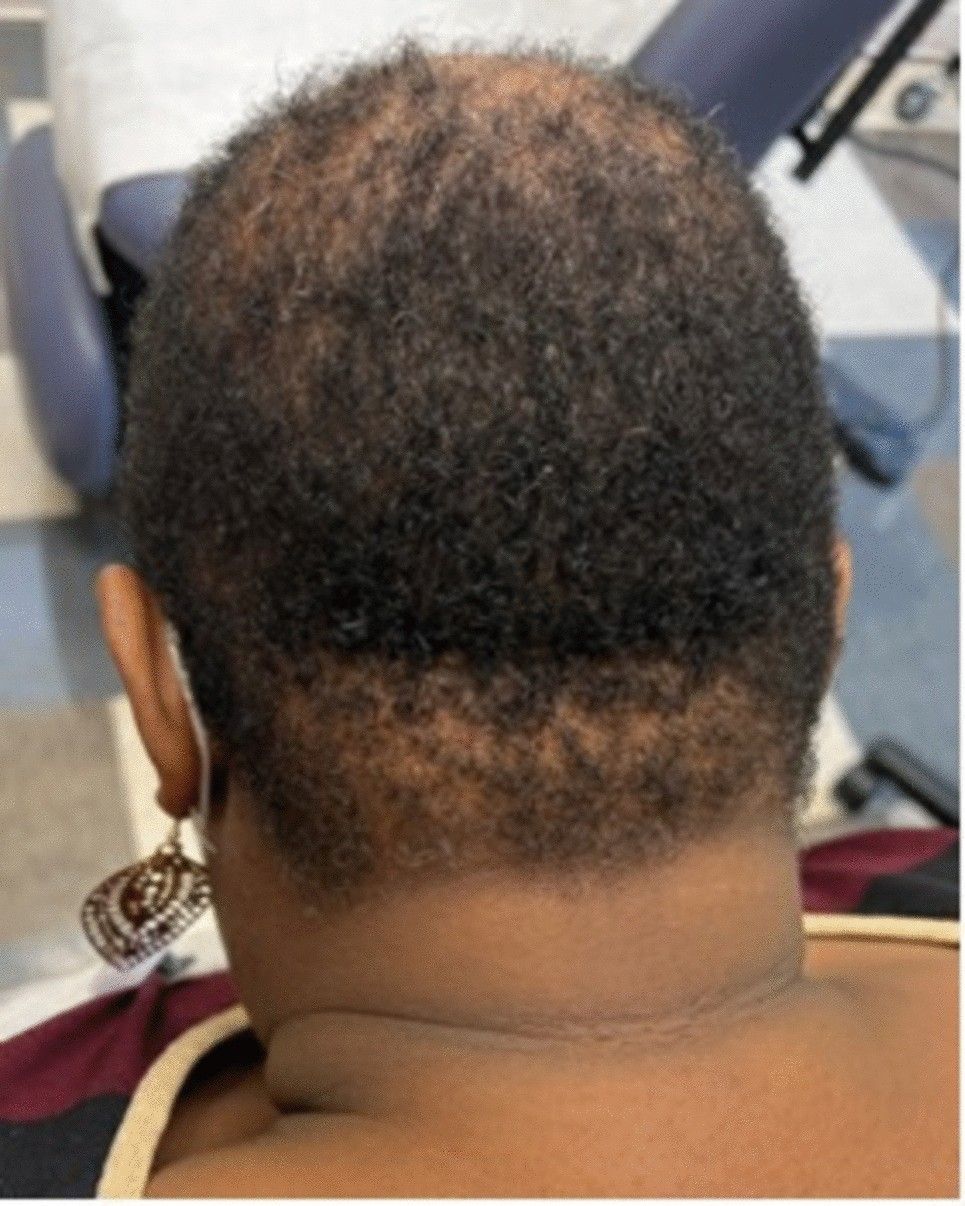
- Female pattern hair loss follows partly distinct pathways. Emerging research shows immune system activation plays a role in female pattern hair loss, suggesting the genetic and biological mechanisms are not identical to the male pattern.
- Ethnic background matters. Genetic risk variants and their frequencies differ across populations, so family history within your own ancestry is the most relevant predictor.
The practical implication is straightforward. If either parent, or any grandparent on either side, experienced significant hair loss, your genetic risk is elevated. A thorough hair loss consultation that takes your full family history into account gives a far more accurate picture than any single gene test.
How does genetic knowledge affect treatment and prediction?
Understanding your genetic predisposition changes how you approach treatment in two concrete ways: it informs timing, and it shapes which treatments are likely to work for you.
Timing and early intervention
Miniaturisation is gradual and largely invisible in its early stages. By the time thinning is clearly visible, a proportion of follicles may already be dormant. Early intervention preserves more follicles and produces better long-term outcomes. Genetics tells you whether you are at elevated risk before significant loss occurs, which is the strongest argument for acting on early warning signs rather than waiting.
Treatment responsiveness and pharmacogenetics
Genetic variations influence how individuals respond to treatments such as minoxidil and finasteride, affecting both efficacy and side-effect profiles. This field, pharmacogenetics, is still developing, but it already explains why two patients with similar hair loss patterns can have very different responses to the same treatment. Precision medicine approaches that account for individual genetic profiles are emerging as the next step in personalised hair loss care.
The table below summarises the current state of genetic knowledge as it applies to treatment decisions:
| Approach | What genetics tells you | Current limitation |
|---|---|---|
| Pharmacogenetics | Likely response to minoxidil or finasteride | Tests not yet standard in clinical practice |
| Polygenic risk scores | Overall susceptibility level | Accuracy varies by ethnic background |
| Family history assessment | Practical risk indicator across both parents | Does not predict exact pattern or timing |
| Follicular Unit Extraction (FUE) | Donor follicles are genetically DHT-resistant | Requires stable donor area; timing matters |
Genetic tests available directly to consumers are not the same as clinical pharmacogenetic assessments. If you want genetics-informed treatment planning, ask a qualified clinician rather than relying on a postal kit.
The most reliable path remains a professional clinical assessment that combines family history, current hair loss pattern, scalp examination, and, where appropriate, emerging genetic tools. Newcastle Hair Transplant Clinic offers exactly this kind of structured evaluation, with GMC-registered surgeons who understand the full genetic and hormonal picture.
FAQ
Does baldness come from the mother’s or father’s side?
Baldness is inherited from both sides. The androgen receptor (AR) gene on the X chromosome comes from the mother, but over 200 autosomal variants contributing to baldness risk are inherited from both parents.
Can a genetic test predict whether I will go bald?
Current consumer genetic tests have low predictive power for baldness because they capture only a fraction of the relevant variants. Accuracy also varies significantly by ethnic background.
What is the role of DHT in genetic hair loss?
DHT binds to androgen receptors in follicles that are genetically sensitive, triggering miniaturisation. Follicles without this genetic sensitivity to DHT are unaffected, which is why hair loss follows predictable patterns.
Does wearing hats or washing hair frequently cause baldness?
No. Male pattern hair loss is an internal hormonal and genetic process. External factors such as hat wearing or shampoo frequency do not alter follicle sensitivity to DHT.
When is the best time to start treating genetic hair loss?
The earlier the better. Miniaturisation is gradual, and visible thinning typically means follicles have been affected for months or years. Early treatment preserves more follicles and produces better long-term results.
Dr Harpreet Kalra
Newcastle Hair Transplant Clinic